What to Pack for St. John: A Villa Guest's Perspective
What to pack for St. John depends on where you're staying — and a villa stay changes the equation considerably. Most generic packing guides treat this like any Caribbean trip. This one is written specifically for guests in a private villa, where the amenities you're walking into determine what you actually need to bring.
The biggest practical difference: a villa typically includes a washer and dryer, a fully equipped kitchen, and amenities that most resorts charge separately for or don't offer at all. At Indo House, that means less need to overpack, and more room in your bag for the things that actually matter on this island.
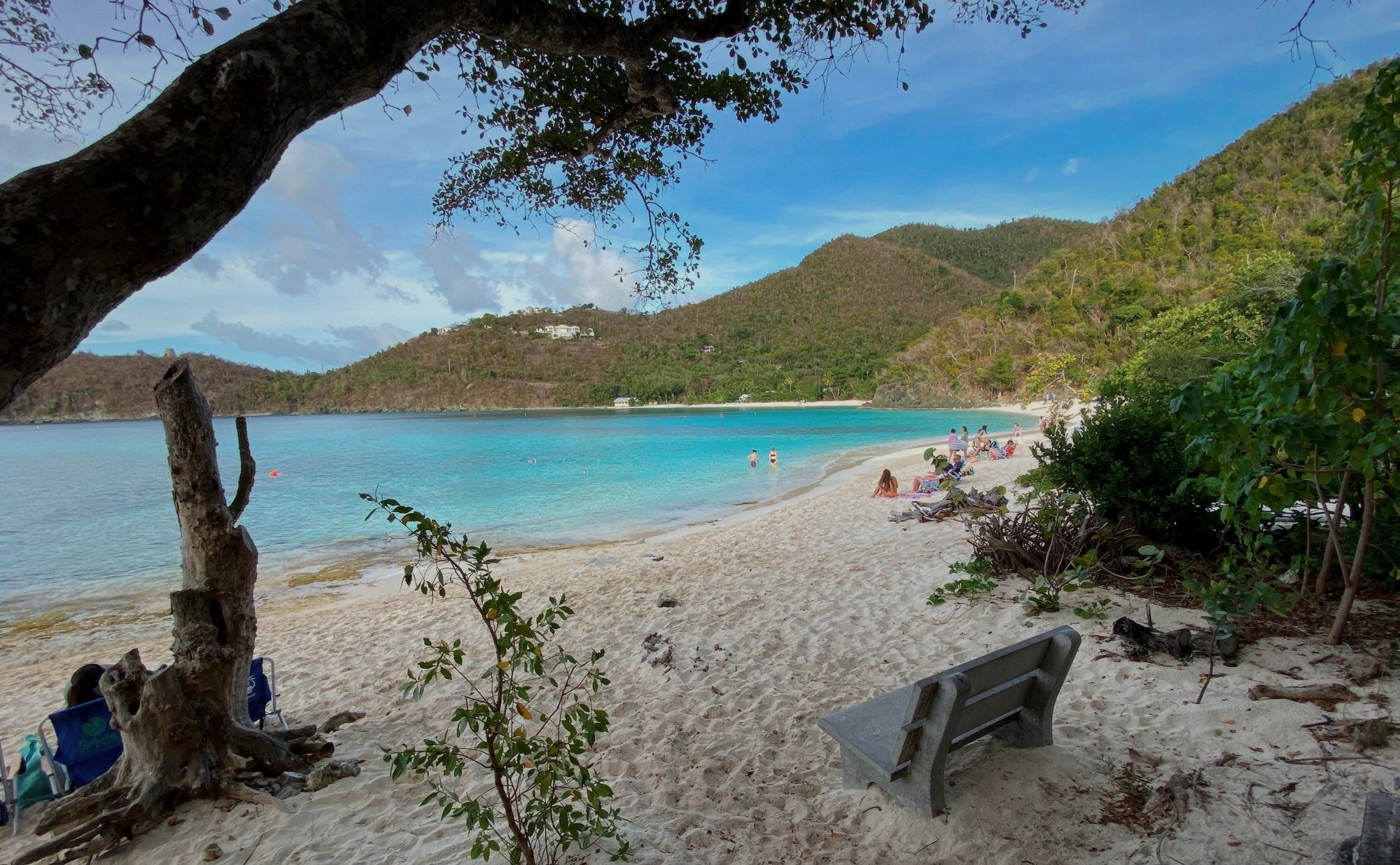
Hawksnest Beach clear turquoise water and white sand, St. John USVI
St. Thomas Cyril E. King Airport is notorious for its baggage check-in lines. On busy departure mornings, the queue for checked bags can add 30 to 45 minutes to your trip. The TSA security line, by contrast, moves quickly — it's consistently one of the fastest in the region.
If you can fit your trip into a carry-on, do it. A villa stay makes this realistic. You have laundry access, so four or five days of clothing handles any trip length. A well-edited carry-on handles a week comfortably.
One service worth knowing about: Indo House offers a concierge option to meet guests curbside at STT and escort them through the airport. This isn't publicly advertised, but it's available on request and effectively eliminates the check-in queue. Ask about it when you book.
What the Villa Already Provides
Before building your packing list, understand what you're walking into. Indo House has a full kitchen, a washer and dryer, beach towels, coolers, hair dryers, and board games. The short version: a villa has more usable gear than a resort room of any category, and most of it you won't need to replicate in your luggage.
Kitchen, dining, and living — one connected space, no resort fees attached.
Additional beach and water gear varies by season — ask about current availability when you book. Snorkeling gear, paddleboards, and similar equipment can also be rented locally through outfitters in Cruz Bay. You are not packing for a hotel room.
Reef-Safe Sunscreen Is Required by Law
This is not optional, and it's not a suggestion from eco-minded travel bloggers. The USVI has banned sunscreens containing oxybenzone, octinoxate, and octocrylene since 2020. Spray sunscreens are also prohibited throughout the territory.
What's allowed: mineral sunscreens with zinc oxide or titanium dioxide as the active ingredients. Non-nano formulas are preferred, as nano-particle zinc has its own concerns for marine ecosystems. Brands like Raw Elements, Thinksport, and Badger meet the standard.
Buy this before you leave home. While compliant sunscreens are available at Starfish Market in Cruz Bay, the selection is limited and pricing on-island runs 25–50% higher than the mainland. Bring more than you think you need — applying reef-safe mineral sunscreen correctly means using more of it.
Clothing: Light, Versatile, Forgettable
St. John is warm year-round, with average temperatures between 77°F and 88°F. You don't need to overthink clothing. The general framework: quick-dry fabrics in everything, two or three swimsuits (they won't dry overnight in high humidity), and one slightly elevated outfit for a special dinner out.
Most guests overpack on clothes. One nice outfit covers every evening situation on the island — Ibis, ZoZo's, and the other higher-end spots don't require anything beyond a linen shirt and shorts. A beach cover-up or light cotton dress works for everything else. The rest of the week is swimwear and quick-dry casuals.
One item people consistently underpack: a lightweight layer for the villa interior. Air conditioning in a waterfront villa runs strong, especially at night. A long-sleeve layer and light pants are worth the bag space.
Footwear: Three Pairs Covers Everything
More than three pairs of shoes on a St. John trip is unnecessary.
The formula: flip-flops for the beach, water sandals or closed-toe water shoes for reef walking and boat boarding, and trail runners or hiking sandals for the island's trails. Keens, Tevas, and Chacos all work well for the middle category — something with grip that dries quickly.
Dressy sandals or espadrilles handle everything that flip-flops can't. Some guests get away with just flip-flops and trail runners. Heels are not practical anywhere on this island.
What to Pack for Water Activities
If you have a prescription mask or strong preferences on snorkel gear, bring it. Otherwise, rent locally. Low Key Watersports and Crabby's Watersports in Cruz Bay both carry basic gear; if you're booking an excursion through a charter operator, equipment is typically included.
A dry bag or waterproof case for your camera or phone is worth packing regardless. Both protect against water taxis, boat charters, and beach situations where you won't have eyes on your bag. Ziplock bags work as a backup but are less reliable over multiple days in salt water.
Don't overlook the basics: a good pair of polarized sunglasses, a wide-brim hat, and a reusable water bottle. The sun reflects hard off the water here, and staying hydrated on the water is easy to neglect. These three items earn their space on every single day of the trip.
Bug Protection: No-See-Ums Are Real
Mosquitoes on St. John are manageable. No-see-ums are not — and most first-time visitors are unprepared for them.
No-see-ums (sand flies) are nearly invisible biting insects that are most active at dusk and dawn, particularly along the beach. Their bites take 24–48 hours to fully develop, which means guests often don't realize they were bitten until the following morning. Standard DEET is not effective against them; repellents with picaridin at 20% or higher work significantly better. Some guests swear by applying baby oil or a light cooking oil at the beach near sunset — sand flies don't penetrate an oily skin surface.
Bring enough repellent for the trip. If you do get bitten, St. John Spice in Cruz Bay carries a locally made moringa healing salve that relieves itching effectively.
What to Buy on Island (and What Not To)
Cruz Bay waterfront — where Starfish Market and island provisions are found.
Starfish Market in Cruz Bay is a full-service grocery store open daily from 7:30am to 8:00pm. It stocks fresh produce, meat, dairy, liquor, and a deli with prepared foods. Dolphin Market is smaller and slightly more local in feel. St. John Market near Chocolate Hole carries organic and locally sourced items.
Everything on island carries a significant price premium over mainland supermarkets — expect 25–50% more across the board.
A few items worth picking up on island if you don't already own them: a UPF sun shirt is one of the most practical pieces of gear for a week in the USVI and is available at Cruz Bay outfitters. Snorkel gear can be rented or purchased locally. Cruz Bay has enough coverage for most basics you might have forgotten.
What's worth bringing from home: reef-safe sunscreen, specific medications, dietary staples in bulk, and any specialty items unlikely to be available locally.
Cash matters more than most visitors expect. Taxis on St. John are cash-only. During power outages (which happen regularly), some restaurants and smaller vendors can't process cards. Carry more than you think you'll need, particularly smaller bills for taxi fares.
One last note: St. John has good local merchandise — handmade goods, local rum, small crafts worth bringing home. Leave a little room in your bag for it.
A villa stay on St. John is not a cruise and not a resort. You will not need a hair dryer (the villa has one, and the humidity wins anyway), formal clothing, multiple pairs of dress shoes, or anything that can't tolerate sand and salt. The island has laundry; the villa has a kitchen, coolers, and board games; the weather is predictable.
Bring a book. Bring good sunglasses. Leave room for what the island offers. Check rates and availability when you're ready to plan.
Frequently Asked Questions
Do I need to bring reef-safe sunscreen to St. John?
Yes. The USVI has banned sunscreens containing oxybenzone, octinoxate, and octocrylene since 2020, and spray sunscreens are also prohibited. Only mineral sunscreens — those using zinc oxide or titanium dioxide — are legal. Bring your own from home; the selection at Starfish Market in Cruz Bay is limited and prices on-island run 25–50% higher than mainland retailers.
Should I check a bag or bring a carry-on?
Carry-on is preferable. St. Thomas airport is known for long baggage check-in lines, particularly on busy departure mornings. The TSA line moves quickly. A villa stay with laundry access makes a carry-on realistic for any trip length — four to five days of clothing is enough, and you can pack light knowing the villa has hair dryers, beach towels, coolers, and other gear already on site.
What does the villa provide so I don't have to pack it?
Indo House has a full kitchen with all equipment, washer and dryer, beach towels, coolers, hair dryers, and board games. Additional beach and water gear is typically available — confirm when you book. Snorkeling gear and water equipment can also be rented locally in Cruz Bay.
Can I buy groceries on St. John?
Yes. Starfish Market in Cruz Bay is the main grocery store, open 7:30am to 8:00pm daily, and carries fresh produce, meat, dairy, and liquor. Dolphin Market and St. John Market are smaller alternatives. Expect to pay a meaningful premium over mainland prices — typically 25–50% more. Specialty items and staples you use in quantity are better brought from home.
Are there bugs on St. John I should prepare for?
No-see-ums (sand flies) are the main concern — they're nearly invisible, bite at dusk and dawn near the beach, and their bites take 24–48 hours to fully develop. Standard DEET is not effective against them; use a picaridin-based repellent at 20% or higher. Mosquitoes are present but manageable with standard repellent.
How much clothing should I pack for a villa stay?
Less than you think. A villa with a washer and dryer means four to five days of lightweight clothing covers any trip length. The essential formula: multiple swimsuits, one nice outfit for a special dinner, a lightweight layer for air-conditioned interiors, and quick-dry fabrics throughout. Most guests overpack on clothes — one evening outfit covers every situation the island presents.
Related reading
More from the Journal
Thoughtful guides and perspectives from St. John, written to help you plan with clarity and arrive more at ease.
First time visiting St. John? Here's what actually catches visitors off guard — ferries, driving, national park rules, and what to know before you arrive.