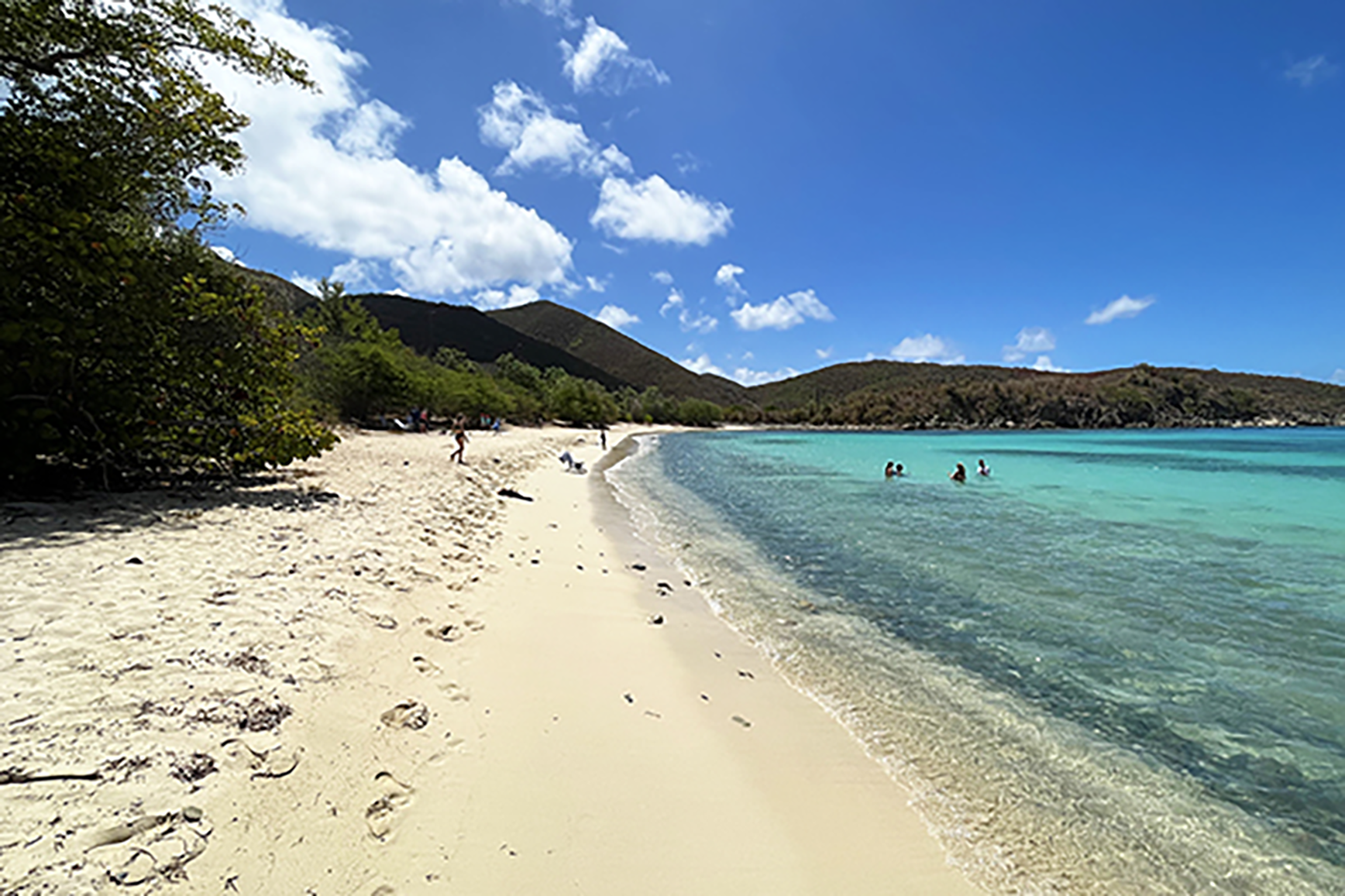
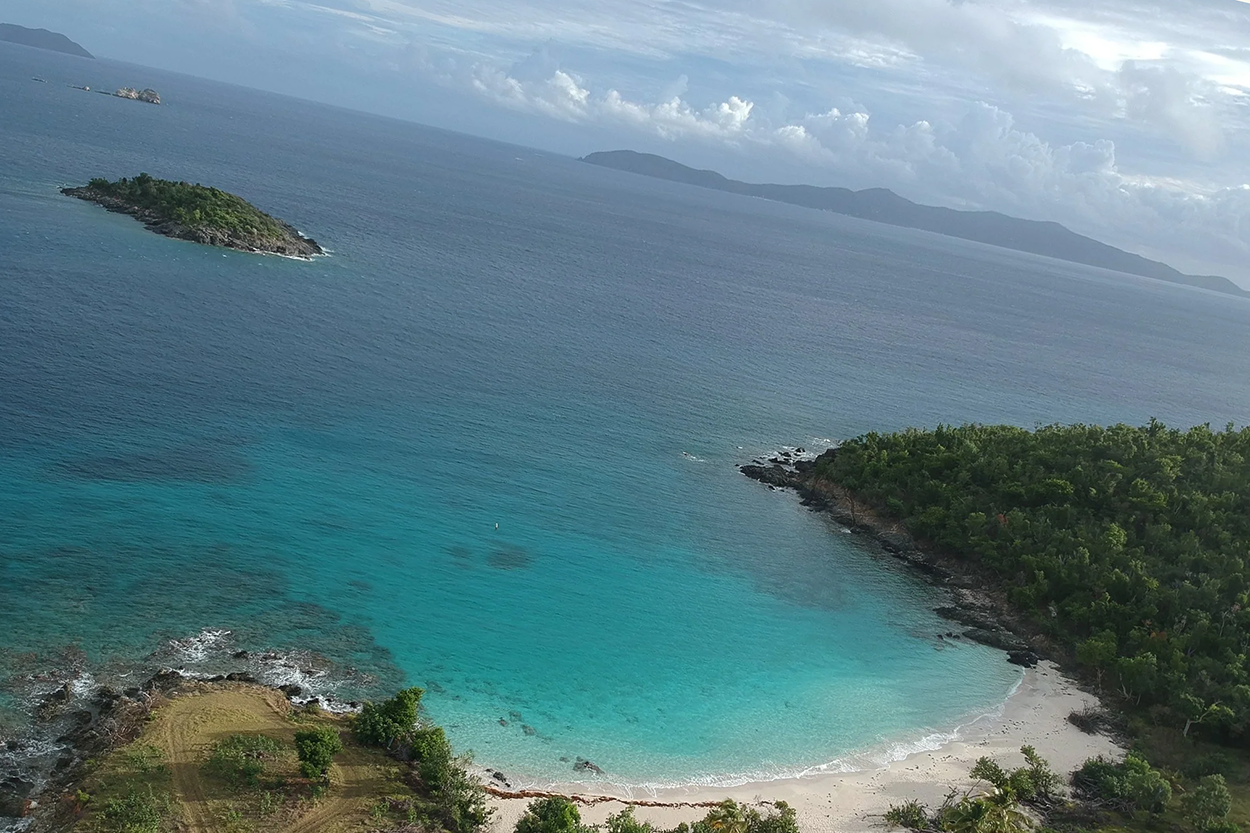
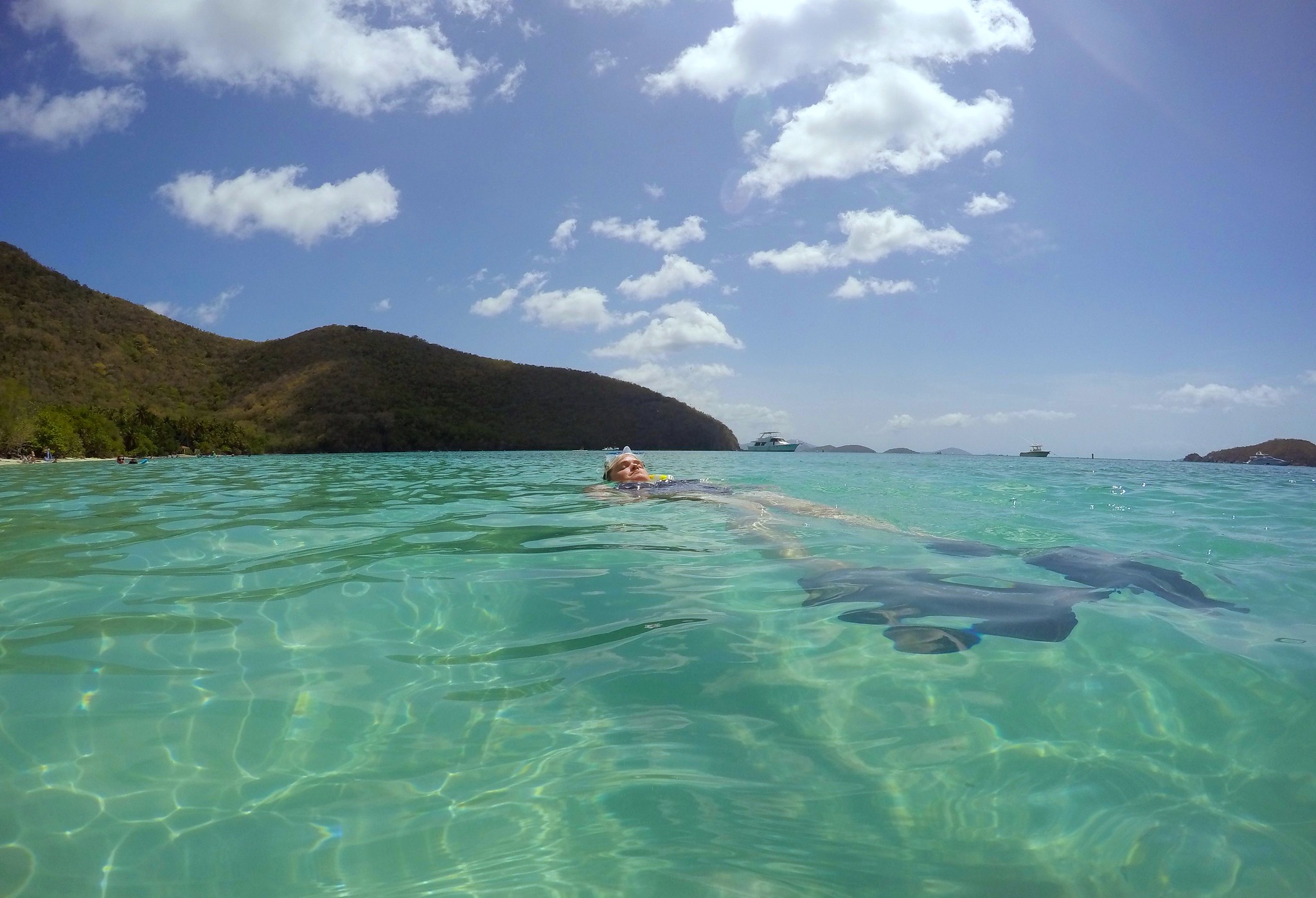
St. John beaches define the island's appeal as much as anything else. Two-thirds of the island belongs to the Virgin Islands National Park, and much of that protected land meets the Caribbean along stretches of sand that remain undeveloped, uncrowded, and strikingly clear. The beaches here are not uniform. They differ in accessibility, character, and the experience they offer.
Beaches on St. John cluster primarily along the North Shore, with quieter and more rugged options on the South Shore and East End. Some are famous and draw visitors from across the region. Others require effort to reach and reward that effort with solitude. Some offer amenities and services. Others provide nothing but sand, water, and shade. A few can only be reached by boat, adding another layer of remoteness.
This guide organizes the best beaches on St. John by location and character, then offers different ways to think about choosing based on what matters most: snorkeling quality, family suitability, seclusion, or something else entirely. The right beach depends on your priorities, not rankings.
For a side-by-side comparison of every beach on parking, fees, shade, and drive times, Virgin Islands Villas keeps a St. John beaches table.
The North Shore holds St. John's most celebrated beaches. This coastline faces the Caribbean Sea and protected channels between the Virgin Islands, and the water here tends to be clearer and calmer than the South Shore. North Shore Road connects these beaches in sequence, making it easy to visit several in a single day. The tradeoff for this accessibility is crowds, particularly during high season and on days when cruise ships dock in St. Thomas.
Trunk Bay
Trunk Bay is the most photographed beach on St. John and arguably in the entire Virgin Islands. The crescent of white sand curves against turquoise water, and the views from the overlook above have appeared in countless travel publications. The beach earns its reputation. The water is exceptional, the setting is striking, and the underwater snorkel trail offers marked stations that identify marine life and coral formations.
Trunk Bay is also the only beach on St. John that charges an entrance fee. The National Park Service maintains facilities here: restrooms, showers, a snack bar, and lifeguards. The fee funds this infrastructure and helps manage the volume of visitors. Expect to pay around five dollars per person for entry.
The beach fills quickly. Arrive before ten in the morning to claim space and avoid the worst of the midday crowds. Tour groups bring visitors from St. Thomas throughout the day, and by noon, the beach can feel densely packed. Late afternoon offers a second window of relative calm as day-trippers depart.
The snorkel trail is worth the visit despite the crowds. The marked route follows the reef along the left side of the bay, with underwater plaques explaining what you are seeing. Visibility is generally excellent, and the variety of fish and coral makes this one of the easier places on St. John to experience quality snorkeling without a boat.
Trunk Bay works well for first-time visitors who want to see what made St. John famous. It also suits families who value amenities and supervised swimming. For those seeking quiet or seclusion, other beaches serve better.
Maho Bay Beach
Maho Bay Beach has earned a reputation for one thing above all else: sea turtles. Green sea turtles feed on the seagrass beds in the shallow water here, and encountering them is nearly guaranteed if you wade out and wait quietly. The turtles surface to breathe, glide past snorkelers without concern, and create an experience that feels improbable even as it happens.
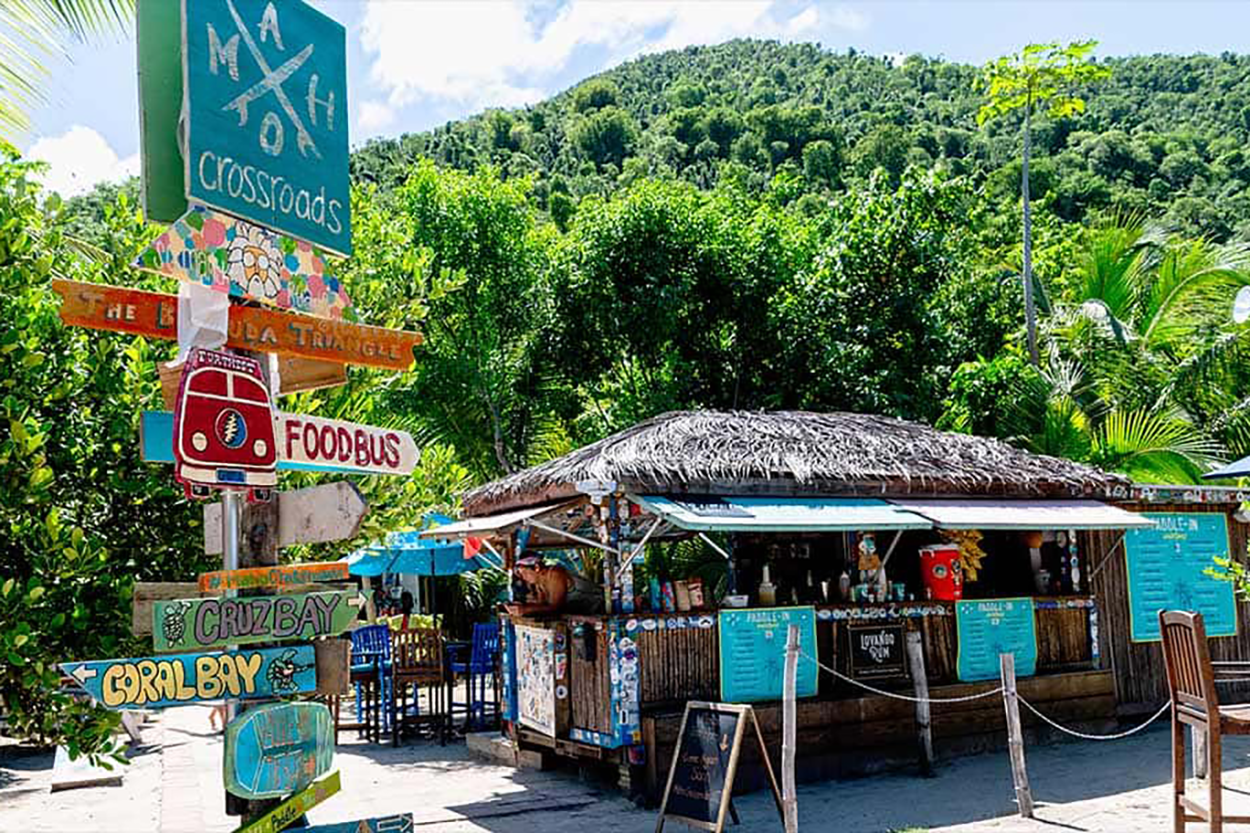
The beach itself is smaller than Cinnamon Bay or Trunk Bay, a compact crescent backed by low vegetation. The sand is coarser, and the setting is more developed than it once was. Maho Crossroads, an eco-friendly beach bar and shop, sits across the road from the beach and has become part of the Maho Bay experience.
Snorkeling at Maho Bay Beach requires no particular skill. The water is calm, the depth is manageable, and the turtles are visible from the surface. Wade out fifteen or twenty yards, float, and watch. The turtles are habituated to people but still wild. Maintain distance, do not touch them, and let them move past you rather than pursuing them. This restraint is part of what allows the experience to continue.
Maho Bay Beach attracts families and first-time snorkelers because the conditions are forgiving and the payoff is reliable. The beach fills during midday, and parking is limited. Arrive early or visit late in the afternoon to avoid competing for space.
Maho Crossroads offers food, drinks, restrooms, shady seating areas, and equipment rentals, including watersports gear and beach chairs. The bar operates daily and provides the kind of beach-adjacent amenities rare elsewhere on St. John. For visitors who want the option to grab lunch or a cold drink without leaving the area, this changes the logistics of a Maho Bay day considerably.
Beach bar at Maho Bay
Cinnamon Bay Beach
Cinnamon Bay stretches longer than any other beach on St. John, offering space that Trunk Bay cannot match. The beach sits within the national park and shares the North Shore's characteristic clear water and white sand. What distinguishes Cinnamon Bay is its scale and the remnants of history scattered behind the shoreline.
The ruins of an 18th-century sugar plantation occupy the land just inland from the beach. Stone walls, the remains of a factory building, and interpretive signs explain what happened here during the plantation era. Walking the grounds adds context to the landscape and connects the beach to St. John's complicated past.
Cinnamon Bay also hosts a campground, one of the few camping options within the Virgin Islands National Park. The presence of campers gives the beach a slightly different energy than other North Shore locations. You will see tents among the trees, and the beach attracts a mix of day visitors and those staying on-site.
The water at Cinnamon Bay is calm and shallow near the shore, making it suitable for families with young children. Snorkeling is possible but less dramatic than Trunk Bay or Maho Bay. The beach excels at providing space. Even during busy periods, the length of the shoreline ensures you can find a relatively uncrowded stretch.
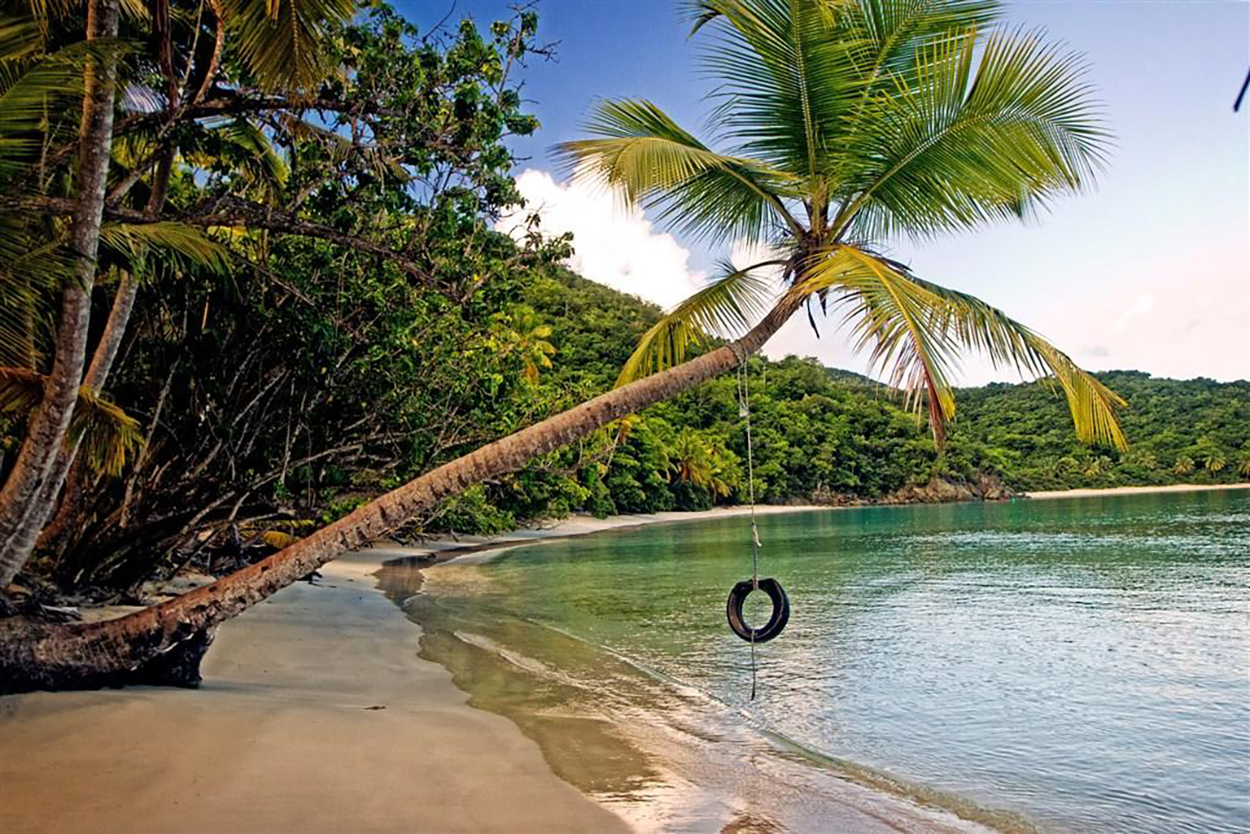
Little Cinnamon sits adjacent to the main beach, separated by a rocky point. You can reach it by wading around the point at low tide or by kayak. Little Cinnamon is smaller, quieter, and often empty. The sand is coarser, the shade is limited, but the solitude compensates. Snorkeling along the rocks between Cinnamon and Little Cinnamon can be rewarding on calm days.
Little Cinamon Beach
Hawksnest Bay: Hawksnest Beach and Gibney Beach
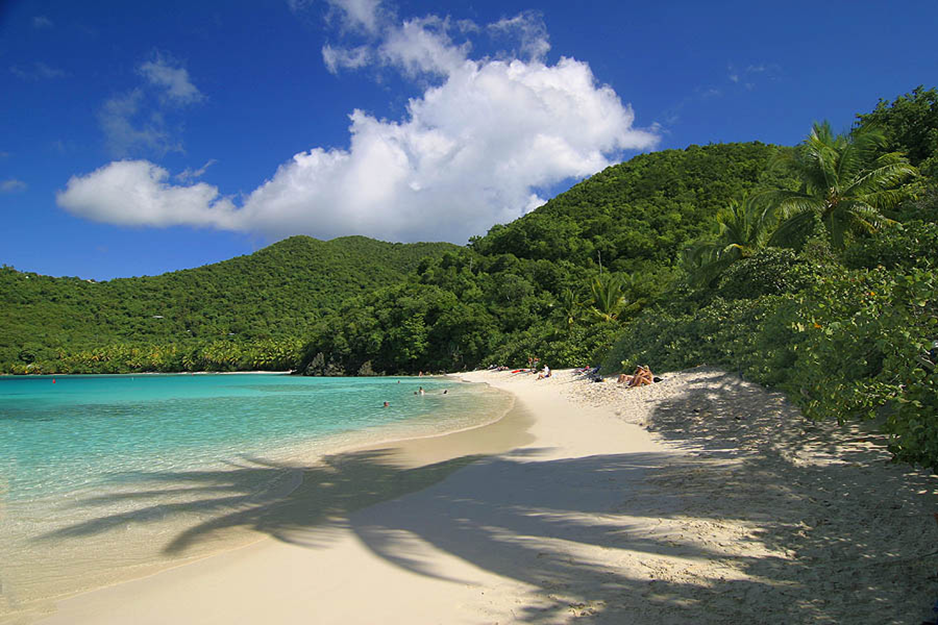
Hawksnest Bay contains two distinct beaches separated by a rocky point. Both offer a quieter alternative to Trunk Bay without sacrificing quality. Hawksnest Bay rewards those who want beautiful beaches without the scene that accompanies the more famous options.
Both beaches are close to Cruz Bay, easy to reach, and consistently pleasant. For villa guests staying on the South Shore, Hawksnest often becomes a go-to beach because it balances quality with convenience.
Hawksnest Beach
Hawksnest Beach is the main public beach, accessible directly from North Shore Road. The sand is white, the water is clear, and the setting feels more intimate than the larger North Shore beaches. Locals favor Hawksnest for precisely this reason. It provides the North Shore experience with less fanfare and fewer tour groups.
The reef at the eastern end of Hawksnest Beach offers solid snorkeling with healthy coral and consistent fish activity. The western side of the beach is calmer and better suited for swimming or simply floating in shallow water.
Facilities are basic: a few picnic tables, grills, and minimal parking. There are no restrooms, no snack bars, no lifeguards. Shade is limited to the edges of the beach under sea grape trees. Arrive early to claim a shaded spot, or bring an umbrella.
Hawksnest Beach
Gibney Beach
Gibney Beach occupies the western side of Hawksnest Bay, formerly part of a private estate. The beach is now public, accessible via a short path from the Hawksnest parking area. Gibney Beach is smaller and more protected than Hawksnest Beach proper. The water is exceptionally calm, making it ideal for young children or those who prefer gentle swimming conditions.
Snorkeling at Gibney Beach is less rewarding than the eastern reef at Hawksnest Beach, but the trade is tranquility. The beach sees fewer visitors, and the setting feels more private. A few shade structures remain from the estate era, providing relief from midday sun.
Gibney Beach (left), Hawksnest Beach (right)
Francis Bay
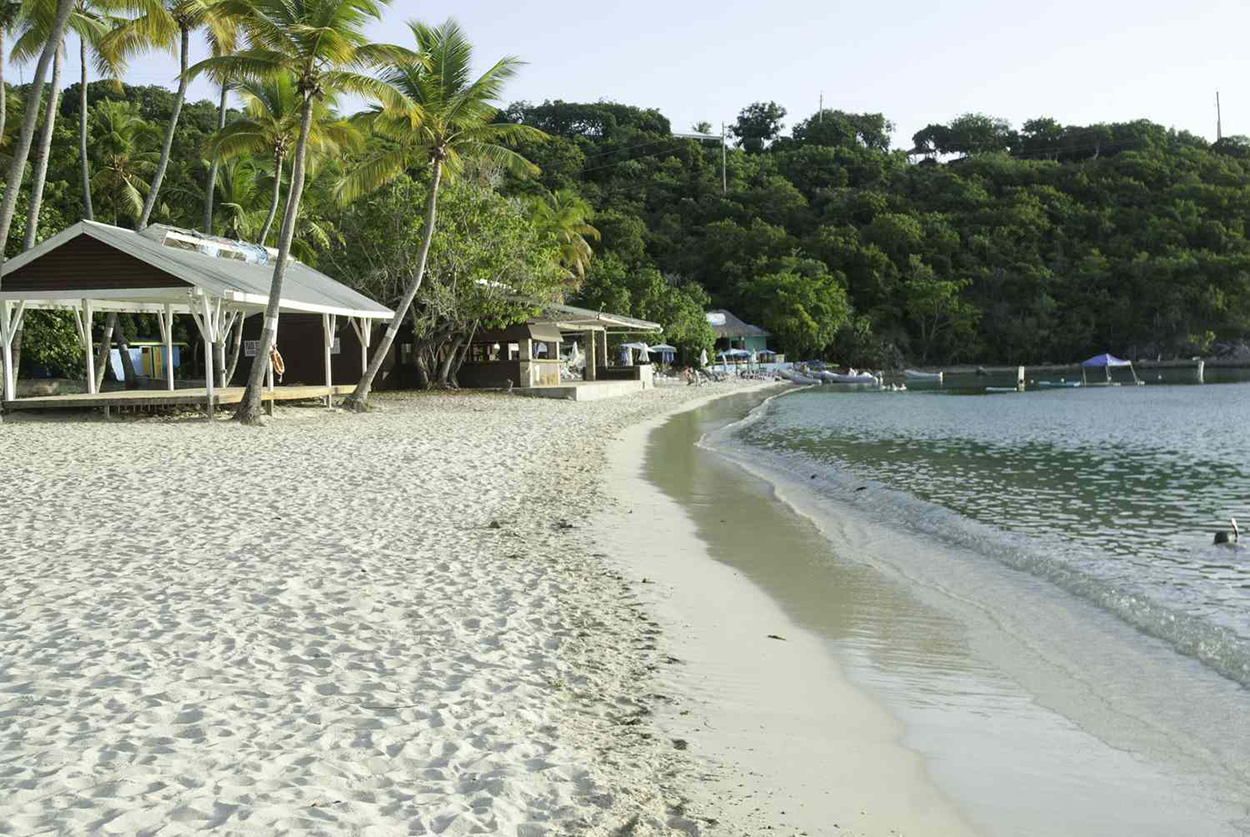
Francis Bay sits farther east along the North Shore, past the cluster of famous beaches. The shoreline here is wide and flat, and the water is exceptionally calm. A boardwalk trail leads through mangroves to reach the beach, adding a short walk to the arrival process.
The bay attracts fewer visitors than Trunk Bay or Maho Bay, partly because the snorkeling is less dramatic. The water is shallow and murky near shore, and the reef requires swimming farther out to reach. What Francis Bay offers instead is space, quiet, and a sense of remove. The beach feels less curated than others, more raw, and more likely to be yours alone if you visit outside peak hours.
Francis Bay is also a significant site for sea turtles, though in a different way than Maho Bay. The beach serves as a nesting ground, and turtles come ashore to lay eggs during nesting season. If you visit during these months, watch for marked nests and give them wide clearance.
The lack of facilities and the slightly longer approach filter out casual visitors. Francis Bay suits those who prioritize solitude and do not mind trading easy snorkeling for a beach that feels genuinely untouched.
Francis Bay
Smaller North Shore Beaches Worth the Effort
Beyond the well-documented beaches, the North Shore holds smaller, quieter stretches of sand that reward local knowledge or a willingness to walk.
Honeymoon Beach
Honeymoon Beach sits on the former Caneel Bay Resort property but remains accessible to the public via a short trail from the North Shore Road parking area. The beach is small, protected, and beautifully positioned. The water is calm, the sand is soft, and the setting feels more private than the nearby public beaches.
Snorkeling at Honeymoon Beach is worthwhile, particularly along the rocky edges of the bay. The reef is accessible and healthy, with consistent fish activity. The beach also offers shade under mature trees, a feature lacking at many North Shore locations.
Honeymoon Beach attracts fewer crowds than Trunk Bay or Maho Bay, partly because it requires a short walk and partly because it is less widely advertised. For visitors seeking a North Shore beach with space and calm water, Honeymoon Beach deserves attention.
Honeymoon Beach
Oppenheimer Beach
Oppenheimer Beach sits in Denis Bay along the North Shore, positioned between the more developed beaches to the west and Trunk Bay to the northeast. The beach is accessible via a trail from North Shore Road. The property takes its name from the Oppenheimer family, who once owned the land, which is now open to for public access through a conservation easement.
The beach is small and rockier than its famous neighbors, less groomed and less visited. What Oppenheimer Beach offers is genuine quiet. The trail approach filters out most visitors, and the beach is often empty even during peak season when nearby Trunk Bay overflows with tour groups.
Snorkeling at Oppenheimer Beach can be rewarding along the rocky points, particularly on calm days. The water is clear, and the reef sees less pressure than more accessible locations. Swimming conditions are generally calm, though the rocky bottom near shore requires attention.
The beach has no facilities, limited natural shade, and requires bringing everything you need. But for visitors who want a North Shore beach without the North Shore crowds, Oppenheimer Beach delivers. It sits close enough to Trunk Bay to serve as an escape valve when the famous beaches feel overwhelming.
Jumbie Beach
Jumbie Beach sits between Oppenheimer Beach and Trunk Bay along the North Shore, accessible via a steep trail from the road. The descent is short but requires care, and the beach itself is tiny. What Jumbie Beach offers is seclusion and excellent snorkeling.
The reef here is vibrant, and the fish populations are dense. The beach sees few visitors because the access is uninviting and parking is limited. Those who make the effort are often rewarded with an empty beach and water that feels entirely their own.
Jumbie beach (left), Oppenheimer Beach (right)
South Shore and East End Beaches: Quiet and Remote
The South Shore and East End beaches receive less attention than the North Shore, and this is their defining characteristic. These beaches are harder to reach, less developed, and often empty. The water can be rougher, the sand coarser, and the sense of isolation complete.
Salt Pond Bay
Salt Pond Bay requires a ten-minute walk from the parking area, crossing exposed terrain under full sun. The trail is flat and well-marked, but the heat and lack of shade make the approach deliberate. This barrier keeps the beach quieter than anything on the North Shore.
The beach itself is a curve of sand facing the open Atlantic. The water is rougher than the protected bays of the North Shore, and swimming conditions vary depending on wind and swell. On calm days, the bay offers excellent snorkeling along the rocky points. On rough days, the water becomes murky and difficult.
Salt Pond Bay connects to the Ram Head Trail, a hike that climbs to one of the island's southern promontories. Many visitors combine the beach and the hike into a half-day excursion. The trail adds another mile and significant elevation gain, ending at a windswept point with views across to the British Virgin Islands.
Facilities at Salt Pond Bay are nonexistent. Bring everything you need and carry out everything you bring. The remoteness is the point. Salt Pond Bay rewards effort with a beach that feels untouched and unmanaged, a counterpoint to the groomed accessibility of the North Shore.
Salt Pond Bay
Lameshur Bay: Little Lameshur and Great Lameshur
Lameshur Bay occupies the southeastern corner of St. John, accessible by a rough road that requires attention and preferably four-wheel drive. The bay is actually two separate beaches, Little Lameshur and Great Lameshur, separated by a rocky point.
Little Lameshur is the more accessible of the two, with parking closer to the sand. The beach is small and shaded by trees, offering a quiet spot for swimming and snorkeling. The reef here is healthy, and the fish populations are robust. Visibility depends on conditions, but on calm days the snorkeling rivals anything on the North Shore.
Great Lameshur requires walking past Little Lameshur and rounding the point. The approach filters visitors further, and the beach is often deserted. The setting feels remote, the water is clear, and the sense of having reached somewhere genuinely off the beaten path is complete.
Both Lameshur beaches suit experienced visitors comfortable with rough roads, no facilities, and the responsibility of managing their own safety. The reward is a beach experience that feels more like discovery than tourism.
Little Lameshur Beach
Beaches Accessible Only by Boat
Some of St. John's most pristine beaches have no road access. Reaching them requires a boat, either chartered or your own. This barrier ensures these beaches remain among the quietest on the island.
Turtle Bay Beach
Turtle Bay Beach sits on the remote eastern end of St. John, facing the open Atlantic. The beach is accessible only by boat, typically as part of a charter or private excursion. The isolation is complete. On most days, you will have the beach entirely to yourself.
The setting is dramatic: a white sand beach backed by rocky cliffs, with surf breaking against the shore. The water here is rougher than the protected bays of the North Shore, and swimming requires awareness of conditions. On calm days, the clarity is exceptional, and the sense of being somewhere genuinely untouched is palpable.
Snorkeling at Turtle Bay is worthwhile when conditions allow, particularly around the rocky edges of the beach. The marine life here tends to be less habituated to people, and the reef feels wilder than more accessible locations.
Most visitors reach Turtle Bay as part of a full-day boat charter that includes multiple stops. The beach works well as a lunch anchorage or a swimming break between snorkel sites. Few charters spend extended time here, but those that do offer a beach experience unlike anything accessible by road.
Turtle Bay Beach
Waterlemon Cay and Other Secluded Spots
Waterlemon Cay sits off the northeastern coast, accessible by a short swim from Leinster Bay or by boat. The cay itself is a small island surrounded by a vibrant reef. Snorkeling here is among the best on St. John, with clear water, abundant marine life, and coral formations that remain largely intact.
While Leinster Bay is technically road-accessible via a trail, many visitors approach Waterlemon Cay by boat to avoid the hike and to access the full circumference of the reef. The experience from a boat is more comprehensive and allows exploring the outer edges of the cay where the reef drops into deeper water.
Other boat-access beaches and coves scatter along St. John's coastline, most without names on standard maps. These are the kinds of places charter captains know, small pockets of sand tucked into rocky shorelines or hidden behind headlands. They appear when conditions are right and disappear when the wind shifts. Part of their appeal is the discovery, the sense that you have found something not listed in guides.
How to Choose: Beaches Ranked by What Matters Most
When choosing among the best beaches on St. John, different priorities call for different destinations. These rankings organize beaches by specific criteria rather than attempting a single definitive list.
Best for Families with Young Children
Families need shallow, calm water, space to spread out, and ideally some facilities.
1. Cinnamon Bay - Shallow water, long beach, restrooms, camping atmosphere that tolerates noise
2. Maho Bay - Calm conditions, turtle guarantee, manageable for beginners
3. Gibney Beach - Protected water, small and contained, easy supervision
4. Trunk Bay - Lifeguards, facilities, marked snorkel trail for older children
Best Snorkeling and Marine Life
Snorkeling quality depends on reef health, water clarity, and marine life diversity.
1. Waterlemon Cay - Vibrant reef, excellent visibility, abundant fish
2. Trunk Bay - Marked underwater trail, reliable conditions, variety of species
3. Maho Bay - Guaranteed sea turtle encounters, easy access
5. Little Lameshur - Remote reef, natural conditions, calm-day snorkeling
Most Secluded and Least Crowded
For those prioritizing solitude over convenience.
1. Turtle Bay Beach - Boat access only, genuinely remote
2. Great Lameshur - Rough road, long walk from parking, rarely visited
3. Little Cinnamon - Wade or kayak access, often empty
4. Jumbie Beach - Steep trail deters most visitors
5. Francis Bay - Boardwalk approach, far from main beaches, quiet even in season
Best Facilities and Amenities
For visitors who value infrastructure and services.
1. Trunk Bay - Full beach facilities: snack bar, lifeguards, showers, restrooms, gear rental
2. Maho Bay - Maho Crossroads beach bar across from the beach: food, drinks, restrooms, shaded seating, watersports rentals, beach chair rentals, boutique shop
3. Cinnamon Bay - Basic facilities: restrooms, outdoor showers, equipment rental, campground store
4. All other beaches have no facilities
Easiest Parking and Access
1. Cinnamon Bay - Large parking area, rarely fills completely
2. Trunk Bay - Ample parking but high demand, arrive early
3. Salt Pond Bay - Remote location means parking is usually available
4. Hawksnest Bay - Limited spaces, fills by midday
5. Maho Bay - Very limited parking, competitive during high season
Clearest Water and Best Visibility
1. Trunk Bay - Consistently clear, protected from runoff
2. Hawksnest Beach - Excellent visibility, clear blue water
3. Waterlemon Cay - Open water clarity, minimal sediment
4. Honeymoon Beach - Protected bay, consistently clear
5. Turtle Bay Beach - Atlantic exposure, exceptional clarity on calm days
Practical Considerations for Beach Days
A few logistics apply to nearly every beach on St. John and are worth knowing before you go.
What to Bring
Most beaches on St. John lack facilities. Bring water, snacks, and anything you need for the day. Reef-safe sunscreen is required by law in the Virgin Islands and protects the coral you will likely snorkel over. An umbrella or beach tent provides shade where natural cover is limited. Snorkel gear can be rented in Cruz Bay if you do not have your own.
Timing
Mornings offer the best conditions: calmer water, better visibility for snorkeling, and fewer people. Afternoons bring wind, chop, and crowds. Late afternoon offers a second window of calm as day visitors depart, though you sacrifice hours of daylight.
For beaches with limited parking like Maho Bay and Hawksnest, arriving before nine-thirty improves your chances significantly. Trunk Bay and Cinnamon Bay can absorb more visitors but still fill during peak season.
Safety
Only Trunk Bay has lifeguards. Other beaches require managing your own safety. Understand your swimming ability and the conditions before entering the water. Snorkel with a partner. Respect weather and wave forecasts. The Caribbean is generally forgiving, but conditions can change, particularly on South Shore and East End beaches exposed to open water.
Finding Your Beach
St. John beaches reward exploration. The island is small enough that visiting several beaches in a single trip is manageable, and each offers something distinct. What works for one day may not suit another. Weather shifts, moods change, and the beach that felt crowded yesterday might be quiet this morning.
The beaches described here represent the most accessible and frequently visited options, along with a few that require more effort. But St. John holds others. Small coves, rocky stretches, and unnamed patches of sand appear along the coastline. Some are worth discovering. Others are best left to those who already know them.
For visitors staying in private villas, beach days become part of the rhythm rather than a single destination. You try one beach, then another, and gradually develop preferences based on experience rather than reputation. The best beach is the one you return to, not the one everyone talks about.
For help choosing where to stay on St. John based on beach proximity and overall island access, see our guide to St. John neighborhoods. Understanding where you base yourself shapes which beaches become easy to visit and which require more planning. If you are interested in boat excursions to reach the most remote beaches, concierge services can coordinate charters and arrange full-day itineraries.
Frequently Asked Questions
Which beach on St. John is best for snorkeling?
Trunk Bay is the most structured snorkeling option, with a marked underwater trail and reliable water clarity. Maho Bay is the better choice if you want a high likelihood of encountering sea turtles in shallow, accessible water. Hawksnest offers good reef snorkeling along its rocky points without the entry fee. Francis Bay is excellent for beginners — calm water, ample marine life, and no crowds. The choice depends on whether you want structure, wildlife, or solitude.
Which St. John beach is best for families with young children?
Maho Bay and Francis Bay are consistently recommended for families with young children. Both offer calm, shallow water that stays manageable even when trade winds pick up elsewhere. Maho Bay's sea turtles add an element that children tend to remember long after the trip. Hawksnest and Gibney Beach are also strong options — sheltered coves with gentler conditions than the more exposed stretches of the North Shore.
Which beaches have facilities like bathrooms and food?
Trunk Bay and Cinnamon Bay have the most developed facilities — bathrooms, changing areas, and food service or nearby food options are available at both. Trunk Bay charges an entrance fee. Most other St. John beaches, including Maho Bay, Francis Bay, and Hawksnest, have limited or no facilities. Bring water, snacks, and sun protection for any beach without a concession.
Do you need a car to reach the best beaches on St. John?
For most of the North Shore beaches and the more remote South Shore options, a car is the practical way to get there. Taxis from Cruz Bay serve the main beaches and run on fixed zone rates, so taxis work for visitors who prefer not to rent a car, though you become dependent on their availability for the return. For beaches requiring a hike — such as Salt Pond Bay — a car is essentially necessary given the distances involved.
Related reading
More from the Journal
Thoughtful guides and perspectives from St. John, written to help you plan with clarity and arrive more at ease.
Virgin Islands National Park covers more than half of St. John. Which beaches and ruins to prioritize, what it costs, and how to plan a day from Cruz Bay.
Maho Bay Beach on St. John is a year-round sea turtle habitat. Green and hawksbill turtles feed in the seagrass shallows, often visible from the shoreline.