Things to Do in St. John USVI: Activities Beyond the Beach
The beaches will find you. They appear around every bend, visible from overlooks, and most visitors orient their days around them. That makes sense. But the things to do in St. John USVI extend into territory the beach narrative rarely reaches: plantation ruins in various states of preservation, trails that descend through ecosystems shifting as you walk, a town that operates at human scale, and an eastern side of the island that feels genuinely removed from everything else.
This guide focuses on experiences that add texture to a St. John stay. Cultural, historical, exploratory. The kind of activities in St. John that reward curiosity and leave you knowing the island differently than when you arrived. Not a checklist. Not a ranking. Just an honest look at what the island offers beyond the sand.
Two-thirds of St. John belongs to the Virgin Islands National Park. The protection extends beyond the coastline to include over twenty miles of maintained trails through forest, dry scrub, and plantation history. Walking these trails is one of the more rewarding things to do in St. John, Virgin Islands, and the terrain suits visitors who want to engage with the landscape rather than simply look at it.
Reef Bay Trail
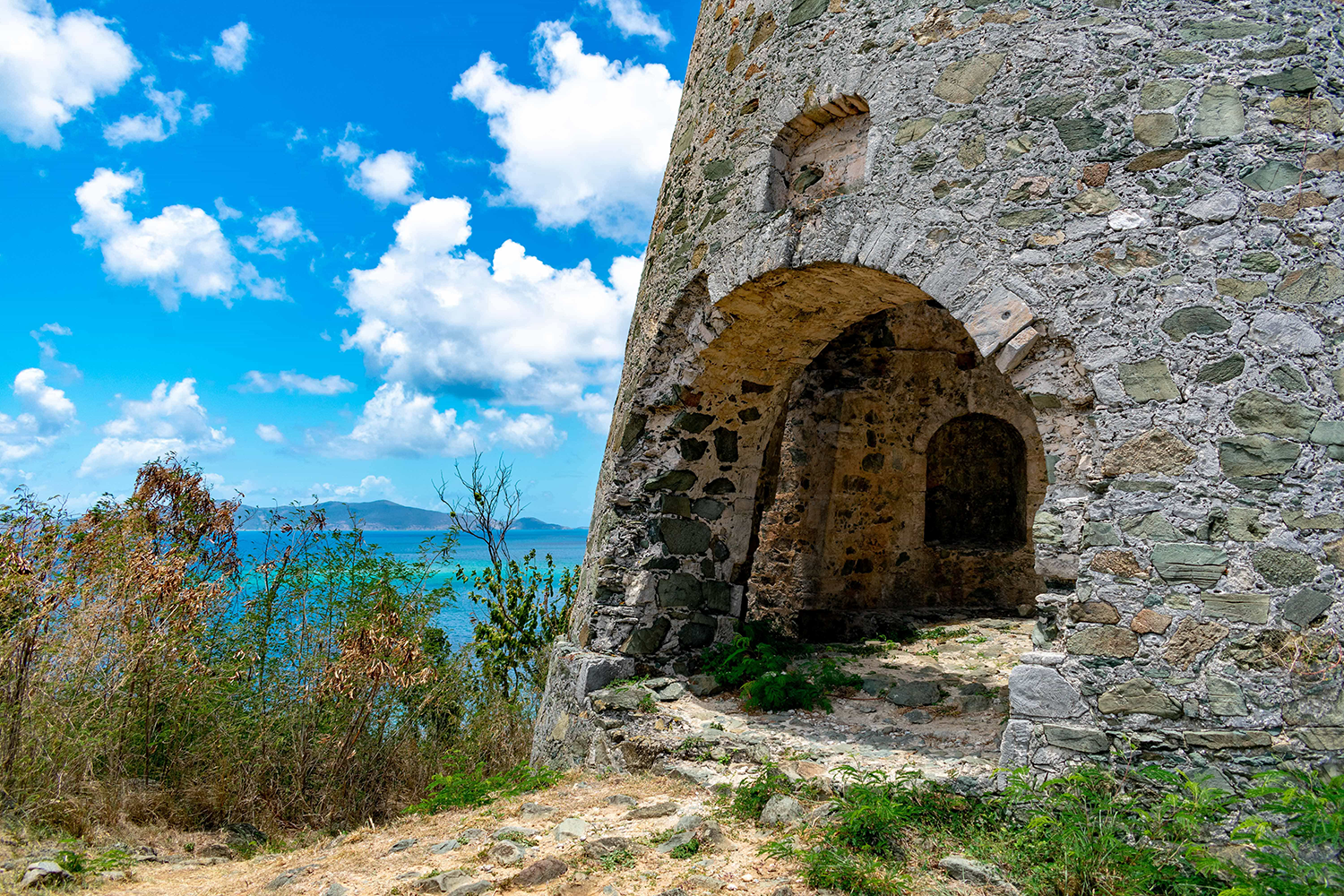
The Reef Bay Trail is the signature walk. The path descends from Centerline Road through forest that shifts as you lose elevation, dry scrub giving way to lush valley. Along the way, you pass petroglyphs carved into rock by the Taino people who inhabited these islands before European contact, and the stone remains of sugar mills that processed cane during the plantation era.
The trail ends at a quiet bay where a boat shuttle returns hikers to Cruz Bay. This makes the hike one-way, which is part of its appeal. You descend rather than climb, and you finish with a short boat ride rather than retracing your steps.
The National Park Service leads guided walks that add interpretation to the history and ecology. These fill during high season and are worth booking ahead. Independent hikers can walk the trail without a guide, but the shuttle requires advance reservation.
Petroglyphs Reef Bay Trail
Ram Head Trail
Ram Head offers a different character. This exposed coastal route crosses Salt Pond and cactus scrub before climbing to a headland overlooking open water. The views extend to the British Virgin Islands on clear days.
Some visitors hike out for sunrise. Others come late in the day and watch the light soften over the water. The trail is shorter than Reef Bay but more strenuous, with a rocky scramble near the end. Bring water and allow time to sit at the top. The point is not to rush.
Rams Head Trail on St. John
Shorter Walks and Nature Trails
For easier outings, the Cinnamon Bay loop passes plantation ruins with interpretive signs explaining what you are seeing. The Lind Point Trail connects Cruz Bay to the coast through the forest. Both take under an hour and suit visitors who want to walk without committing to a full expedition.
Trail conditions vary by season. The dry months between December and April generally offer easier footing. After heavy rain, some paths become slippery. Start early to avoid midday heat, and carry more water than you think you need.
Historic Plantation Sites and Sugar Mill Ruins
St. John's landscape holds visible history. The island was once covered in sugar plantations worked by enslaved Africans, and the ruins of that era remain scattered across the national park. These sites are among the more meaningful St. John USVI attractions for visitors interested in understanding the Caribbean beyond its scenery.
Annaberg Plantation
Annaberg is the most accessible historic site on the island. Located on the North Shore, the ruins include a windmill tower, factory buildings where cane was processed, and the quarters where enslaved people lived. The National Park Service maintains interpretive displays, and rangers occasionally lead programs explaining the operation.
The views across to Tortola are striking, but the site asks for more than a photo stop. Spend time reading the signs. Consider what happened on this ground. The beauty of the setting makes the history more complicated, not less.
The 1733 Slave Rebellion
The 1733 Slave Rebellion began on St. John, one of the earliest and longest such uprisings in the Americas. Enslaved Africans seized control of the island and held it for six months before colonial forces regained authority. There is no single memorial, but the history informs the landscape.
Fortsberg, above Coral Bay, is where the rebellion started. The site offers views and quiet. Throughout the island, you encounter stone walls, crumbling foundations, and the remains of sugar works in unexpected places. They appear alongside trails and at the edges of bays. The national park holds both the beauty and the complicated past.
Cruz Bay: The Island's Only Town
Cruz Bay is not an attraction in the usual sense. It is the island's center, the arrival point for ferries, and the place that shapes daily rhythm. Understanding Cruz Bay helps you understand how St. John works.
The Rhythm of Town
Morning coffee near the ferry dock. Groceries at Starfish Market, where you learn what is available and what is not. Mongoose Junction, a stone courtyard complex where local artists sell jewelry, pottery, and clothing that feels specific to this place. Wharfside Village for additional shops and waterfront dining. An errand to the post office. A conversation with someone who has lived here for years.
The town is walkable and contained. Everything you need clusters within a few blocks of the water. This makes Cruz Bay functional rather than charming, though it has its moments.
Dining and Evening
The dining scene rewards those who wander. Fresh seafood, Caribbean flavors, cooking that reflects island character. Reservations help during high season, but some meals happen by walking in without a plan.
Evening brings people back from beaches and boats. The waterfront comes alive in a low-key way. A few bars host live music. Visitors and locals mix at outdoor tables. The energy is social but contained. This is not St. Thomas.
Mongoose Junction in Cruz Bay, St. John
Coral Bay: St. John's Quieter Eastern End
Coral Bay sits about twenty minutes from Cruz Bay by car. The drive alone is worth it, winding over the island's spine with views in every direction. But Coral Bay itself offers something Cruz Bay does not: genuine remove.
A Different Pace
The town, if you can call it that, consists of a few restaurants, a general store, and a boatyard. The pace is slower. The energy is local. People who live on this side of the island often prefer it precisely because it takes effort to reach.
Skinny Legs is the landmark, a casual spot that has served burgers and hosted characters for decades. Shipwreck Landing offers waterfront tables with views across the harbor. When the farmers market runs, it brings out local produce and prepared foods.
Josephine's Greens
Josephine's Greens, a small organic farm tucked into the hillside above Coral Bay, offers tours by appointment. The operation is modest, but visiting connects you to the island's agricultural present, a counterpoint to all those plantation ruins representing its past. The farm grows greens, herbs, and vegetables in soil that requires constant attention.
A day that includes Coral Bay feels different from one that stays on the west end. The sense of being somewhere, rather than visiting somewhere, is stronger.
Short Ferry Excursions from St. John
St. John's position makes off-island movement easy. The same ferries that bring visitors in can take them out for a morning or afternoon. These trips work as contrast, not a replacement. You leave, you return, and St. John feels more like home for the comparison. For details on ferry logistics, see our guide on how to get to St. John.
St. Thomas and Charlotte Amalie
St. Thomas is the closest option. The ferry runs regularly from Cruz Bay, and the crossing takes about forty-five minutes. Charlotte Amalie, the capital, offers something St. John does not: urban density, historic architecture from the Danish colonial period, and a waterfront that has served as a trading port for centuries.
The scale is different. The energy is different. A few hours walking the old streets, looking at buildings that predate American ownership, lunch at a harbor restaurant, and the return ferry puts you back on St. John by late afternoon. The contrast makes both islands clearer.
Charlotte Amalie, St Thomas
British Virgin Islands
The British Virgin Islands require a passport but are equally accessible by charter boat. Virgin Gorda and The Baths draw visitors to swim through boulder formations that feel geological rather than Caribbean. Jost Van Dyke offers a beautiful beach, a famous bar, and not much else, which is the point.
These trips typically run full-day, with operators handling customs and logistics. They expand what a St. John trip can include without requiring you to move accommodations.
Lovango
Lovango, a small cay between St. John and St. Thomas, offers a different kind of afternoon. The energy there is designed, social, contained. Some guests find it a useful change of pace. Others prefer the quiet of their own space. Either response is valid.
What makes these excursions work is the return. You step off the ferry in Cruz Bay, drive back through the hills, and settle into the evening with a clearer sense of why you chose St. John in the first place.
The Pace of St. John: Unstructured Time
Some days, the right activity is none at all.
A slow morning watching light move across the water. An afternoon reading while clouds build over the hills. Cooking dinner with groceries from town rather than going out. Falling asleep to the sound of tree frogs.
The temptation on any trip is to fill every hour. St. John quietly resists this. The island works when you leave gaps in the schedule, when you let an afternoon stretch longer than planned, when you skip the hike because the view from where you are is enough.
This is not laziness. It is alignment with the place. St. John's character is unhurried, protected, and calm. Matching that rhythm is its own kind of activity.
If you want help arranging the experiences that require coordination, charters, guided hikes, restaurant reservations, concierge services can handle the logistics. But the days that stay with you often include long stretches where nothing was planned and nothing needed to be.
Finding St. John Beyond the Beaches
The things to do in St. John are real, and some are worth seeking. Walk the Reef Bay Trail. Spend time at Annaberg. Drive to Coral Bay and stay for lunch. Take the ferry to Charlotte Amalie and wander the old streets.
But the island also rewards those who stop trying to fill every hour. The experiences here add texture. They leave you knowing the place differently than when you arrived. And they work because St. John remains the center of gravity, the quiet you return to after every excursion, every walk, every day on the water.
For help choosing a location that fits how you want to spend your days, see our guide to where to stay on St. John.
Frequently Asked Questions
What are the best hikes on St. John?
The Reef Bay Trail is the signature hike — it descends through shifting ecosystems to a quiet bay, passes pre-Columbian petroglyphs and sugar mill ruins, and ends with a boat shuttle back to Cruz Bay. For something shorter and more exposed, the Ram Head Trail at Salt Pond Bay offers dramatic coastal views toward the British Virgin Islands. The Lind Point Trail from Cruz Bay is a gentler option for visitors who want a taste of the national park without a full expedition.
Is the Virgin Islands National Park free to visit?
Most of the national park, including its trails and many of its beaches, is free to access. Some facilities do charge entrance fees — Trunk Bay charges a per-person fee for non-National Park Pass holders. Annual America the Beautiful passes cover these fees and are worth purchasing if you plan to visit multiple national park sites. The Cruz Bay Visitor Center offers trail maps and information at no cost.
Can you snorkel directly from the beach on St. John?
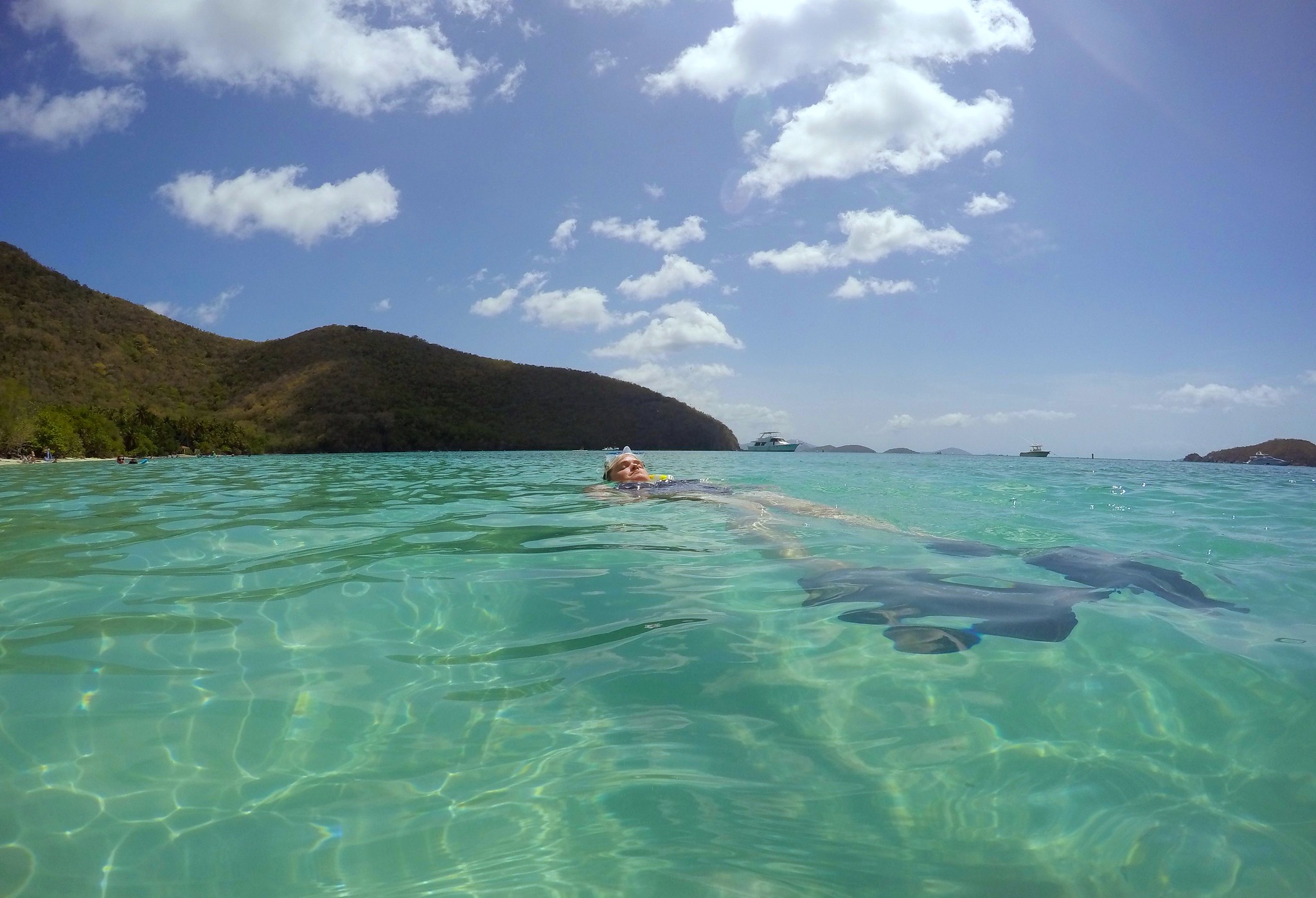
Yes — several beaches offer excellent snorkeling directly off the sand without a boat. Maho Bay Beach is one of the best for seeing sea turtles in shallow, accessible water. Trunk Bay has a marked underwater snorkeling trail. Hawksnest and Honeymoon beaches offer good reef access from shore. Bring or rent your own mask and fins; gear rentals are available at a few locations in Cruz Bay and at Trunk Bay.
Are day trips to the British Virgin Islands easy to arrange from St. John?
Day trips to the BVI are straightforward to arrange and popular with St. John visitors. Charter operators based in Cruz Bay run regular departures to Virgin Gorda, Jost Van Dyke, and Norman Island. A U.S. passport is required — the BVI is a separate country, and you will clear customs and immigration on arrival. Book in advance during high season; spots on popular routes fill quickly.
Related reading
More from the Journal
Thoughtful guides and perspectives from St. John, written to help you plan with clarity and arrive more at ease.
Virgin Islands National Park covers more than half of St. John. Which beaches and ruins to prioritize, what it costs, and how to plan a day from Cruz Bay.
Maho Bay Beach on St. John is a year-round sea turtle habitat. Green and hawksbill turtles feed in the seagrass shallows, often visible from the shoreline.