Maho Bay Beach earns its reputation quietly. There are no signs at the entrance, no admission fee, and no facilities to speak of — just a small parking area, a stretch of calm water, and a seagrass bed that has become one of the most reliable sea turtle habitats in the U.S. Virgin Islands.
At Maho Bay Beach, turtles arrive not as a seasonal spectacle but as part of their daily routine, feeding in water shallow enough to observe them clearly from shore. For many visitors, a morning here ends up being the part of the trip they describe in the most detail.
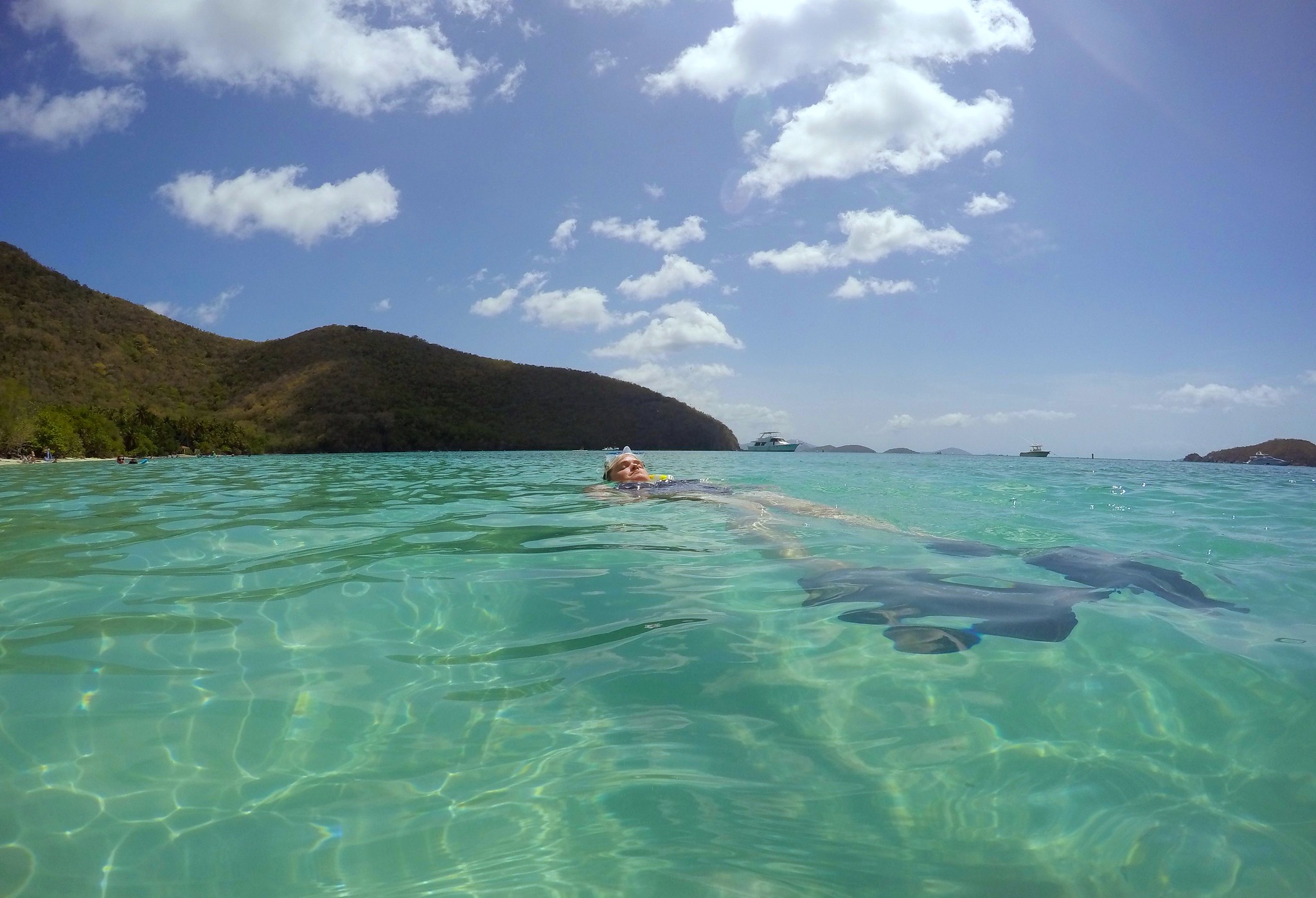
Snorkeler floating at the surface at Maho Bay Beach, St. John, with the bay's green hills visible in the background
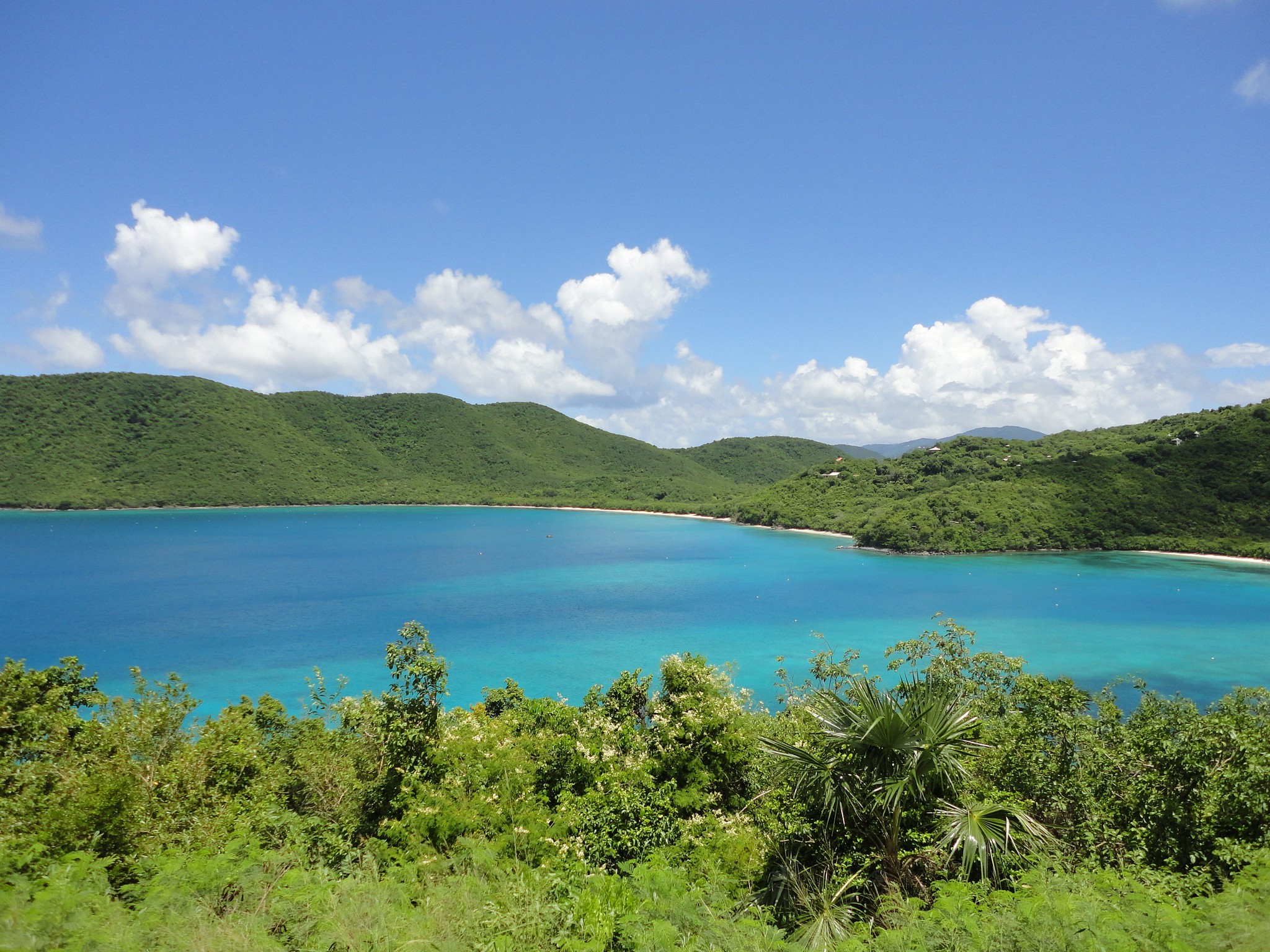
The bay sits on the north shore of St. John, tucked within Virgin Islands National Park roughly five miles east of Cruz Bay. It is smaller and less developed than either Trunk Bay or Cinnamon Bay, and its appeal has almost nothing to do with the width of the sand or the number of amenities. The draw is what's beneath the water.
Maho Bay sits within the national park — the seagrass shallows are visible through the water.
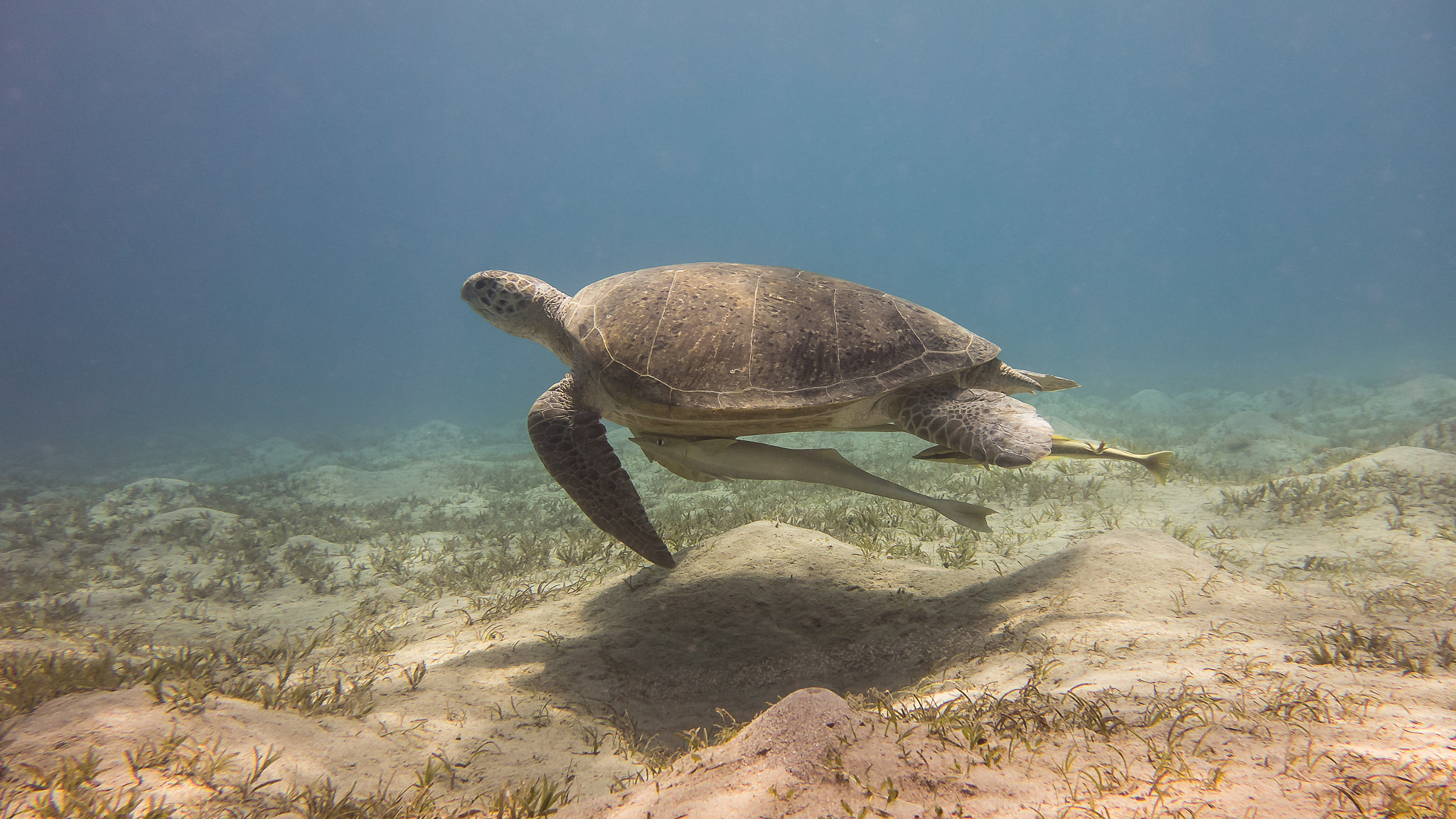
Maho Bay's sandy bottom is covered with seagrass beds, which provide a steady food source for both green sea turtles and hawksbill turtles. The turtles are not fed by visitors or conditioned to human presence in any managed way — they come because the habitat supports them. The bay's calm, shallow conditions also make it accessible year-round regardless of ocean conditions on the outer north shore.
The water is shallow enough that turtles feeding near the surface are sometimes visible from the shoreline without entering the water. Most visitors wade in or snorkel to get closer, and the turtles generally continue feeding undisturbed if you move slowly and avoid sudden movements or splashing.
The Sea Turtles
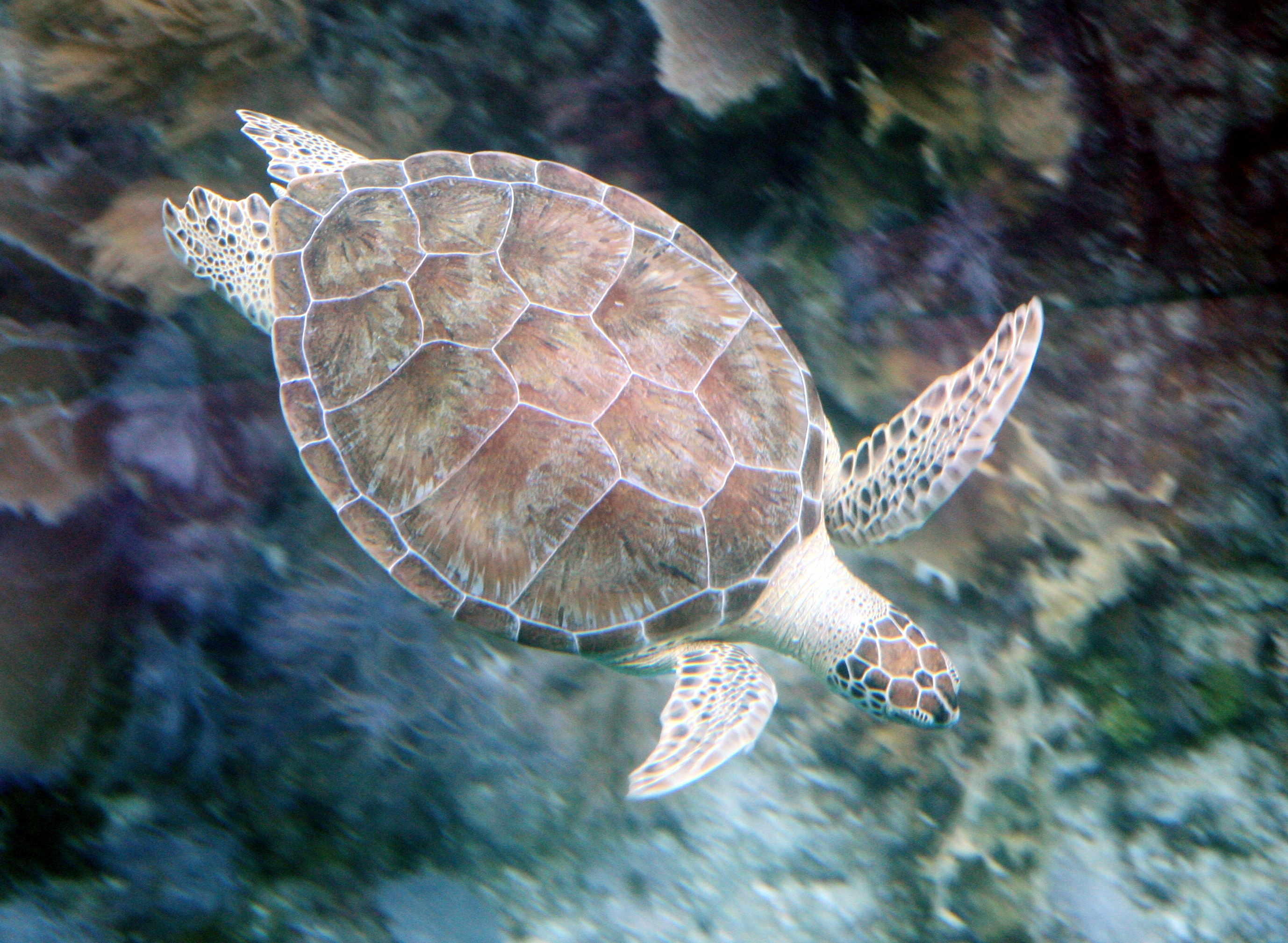
Green turtles are the more common of the two species at Maho Bay. Adults are large, typically 300 to 350 pounds, and they move deliberately through the seagrass, surfacing every few minutes to breathe. Their size makes them easy to spot even before you enter the water. Hawksbill turtles, smaller and more pointed in profile, are less frequent but present in the bay as well.
Green turtles at Maho Bay are large adults — easy to spot before you enter the water.
The national park service asks visitors not to touch, chase, or crowd sea turtles. This is both a legal requirement under the Endangered Species Act and a practical matter: turtles that feel pressured will leave the area. The etiquette at Maho Bay is generally good among independent visitors, though large organized tour groups can disrupt conditions. Getting to the beach before tour boats arrive from Cruz Bay makes a real difference in what you experience.
We've found that the most reliable window for turtle encounters is early morning, typically before 10 a.m. The turtles are active throughout the day, but visitor density increases as the morning progresses, and the turtles tend to move toward deeper sections of the bay by midday. Sightings are not guaranteed on any given visit, but they are consistent enough that Maho Bay has developed a strong reputation among regular St. John visitors specifically for this reason.
Snorkeling at Maho Bay Beach
Maho Bay is a worthwhile snorkeling beach independent of the turtles. The seagrass beds themselves support a variety of fish, and the rocky points at each end of the bay hold more complex reef structure with better coral coverage. The water is calm and shallow enough for children and inexperienced swimmers, and there is no significant current on most days.
Turtles surface every few minutes to breathe — patience at depth pays off.
Snorkel gear, kayaks, and paddleboards are available for rent at Maho Crossroads, the beach bar across the road from the beach. Bringing your own mask and snorkel is still worthwhile — a well-fitting mask makes a real difference in comfort over an hour in the water — but you are not without options if you arrive without gear. Fins are particularly useful for reaching the rocky edges of the bay, where the snorkeling is more varied than the seagrass center. For a full overview of snorkel sites on the island, our guide to snorkeling on St. John covers what makes each one distinct.
Facilities and Parking
The beach has no entrance fee, no lifeguards, and no NPS-managed facilities on the sand. Maho Crossroads, an eco-friendly beach bar and shop directly across the road, provides food, drinks, restrooms, and watersports equipment rentals including kayaks, paddleboards, and beach chairs. It opens daily at 10:30 a.m.
The parking area is small and fills early on busy mornings. Reef-safe sunscreen is required by law in the USVI — mineral-based formulations only. If the lot is full on arrival, Cinnamon Bay is about a mile west with a larger parking area and full facilities. You can return to Maho Bay later once space opens up, or leave the car at Cinnamon Bay and walk back along the road.
Getting There
Maho Bay Beach is on the North Shore Road (Route 20), approximately five miles east of Cruz Bay. The drive takes about twenty minutes from town. The parking area is on the right as you head east; it's a small turnout and easy to pass if you're not watching for it. A modest sign marks the entrance.
From our location in Great Cruz Bay, the drive runs about twenty minutes, heading south through Cruz Bay before picking up the North Shore Road going east. There is no public bus service to Maho Bay. Open-air safari taxis from Cruz Bay will drop passengers at the beach on request. For a broader sense of how to spend time on the island, our guide to things to do on St. John covers the range of options beyond the north shore beaches.
When to Visit
Turtles are present at Maho Bay year-round. Their visits are tied to feeding habitat, not the nesting cycle, so there is no single optimal season.
Morning visits offer the right combination of calm water, good light for underwater visibility, and fewer visitors. Arriving before 9 a.m. gives you the strongest chance of having the bay mostly to yourself. Organized snorkel tours from Cruz Bay begin arriving at Maho Bay mid-morning and can bring a dozen or more swimmers into the water at once.
Shoulder season, roughly May through early July and again in October, tends to have lighter visitor numbers than the peak winter months. Summer months bring higher humidity but genuinely quiet mornings at Maho Bay, often with the parking area half-empty even at 8 a.m. The trade-off is occasional afternoon squalls that can reduce water visibility temporarily.
Nearby Beaches
Cinnamon Bay, about a mile west, is longer and more exposed, with full facilities and its own snorkeling along the reef at the bay's edges. It also has historical interest as the site of an ongoing archaeological excavation related to the island's plantation era.
Trunk Bay, about three miles west of Maho Bay, has the 225-yard underwater snorkeling trail and the most complete amenities on the north shore, along with the highest visitor volume. If you're combining beaches on the same day, Trunk Bay in the early morning and Maho Bay in the mid-morning is a common sequence that works well logistically.
For a complete overview of St. John's beaches — including the quieter south shore options that rarely appear in standard visitor guides — our guide to the best beaches on St. John covers each one with honest notes on crowds, snorkeling, and what to expect.
An Honest Look
Maho Bay is not a postcard beach. The sand strip is narrow, parking requires patience on busy days, and there are no lifeguards. None of that matters much once you're in the water with a green turtle feeding five feet away.
What makes Maho Bay worth including in any St. John itinerary is its consistency. The turtles are there because the habitat supports them, not because the beach is managed as a wildlife attraction. That ordinariness — turtles feeding as a matter of routine, in water anyone can wade into — is what guests tend to describe when they say it was the part of the trip they keep coming back to.
Guests staying at Indo House are well-positioned for an early Maho Bay morning. The drive from Great Cruz Bay is straightforward, and the beach rewards being first in the parking area.
Frequently Asked Questions
Is it common to see sea turtles at Maho Bay Beach?
Sea turtles are a consistent presence at Maho Bay, particularly in the shallow seagrass beds toward the eastern end of the beach. Sightings are not guaranteed, but Maho has one of the higher rates of turtle encounters among St. John's beaches because the seagrass provides an active feeding ground. Early mornings and weekday visits, when the beach is quieter, tend to produce more relaxed interactions than peak midday hours.
What are the facilities like at Maho Bay Beach?
Maho Bay has minimal facilities. There are no bathrooms, no food vendors, and no equipment rentals at the beach itself. Parking is available in a pull-off area along North Shore Road, but it is limited and fills early on busy days. Bring everything you need for the visit — water, snacks, sun protection, and your own snorkeling gear. The simplicity is part of what keeps the beach quieter than Trunk Bay.
Does Maho Bay have an entrance fee?
No. Maho Bay is a National Park beach that does not charge an entrance fee. There are no gates or kiosks — you park at the roadside area and walk down to the sand. This is one of several reasons Maho Bay is a preferred stop for repeat visitors and those who want the North Shore experience without the Trunk Bay crowds or cost.
How does Maho Bay compare to Trunk Bay?
The two beaches are roughly three miles apart on the North Shore and serve different purposes well. Trunk Bay has facilities, a marked snorkeling trail, restrooms, and food access, but it draws larger crowds and charges an entrance fee. Maho Bay is quieter, has no fee, and offers more reliable sea turtle encounters in natural conditions. First-time visitors often go to Trunk Bay first; those who return to St. John tend to spend more time at Maho Bay.
Related reading
More from the Journal
Thoughtful guides and perspectives from St. John, written to help you plan with clarity and arrive more at ease.
Virgin Islands National Park covers more than half of St. John. Which beaches and ruins to prioritize, what it costs, and how to plan a day from Cruz Bay.
Honeymoon Beach is one of St. John's quietest stretches of sand, reachable on foot from Cruz Bay or by water. Here's how to get there and what to expect.