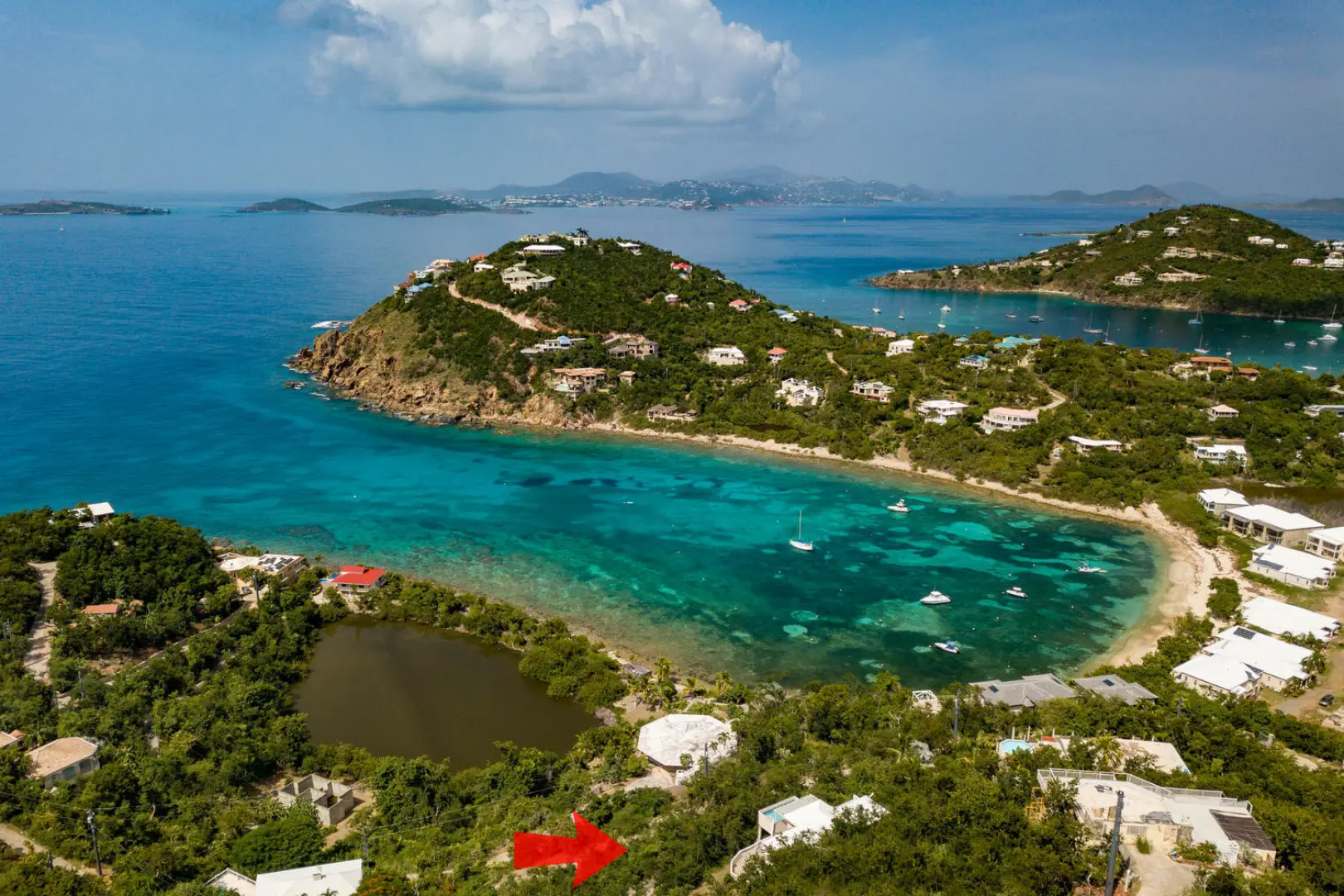
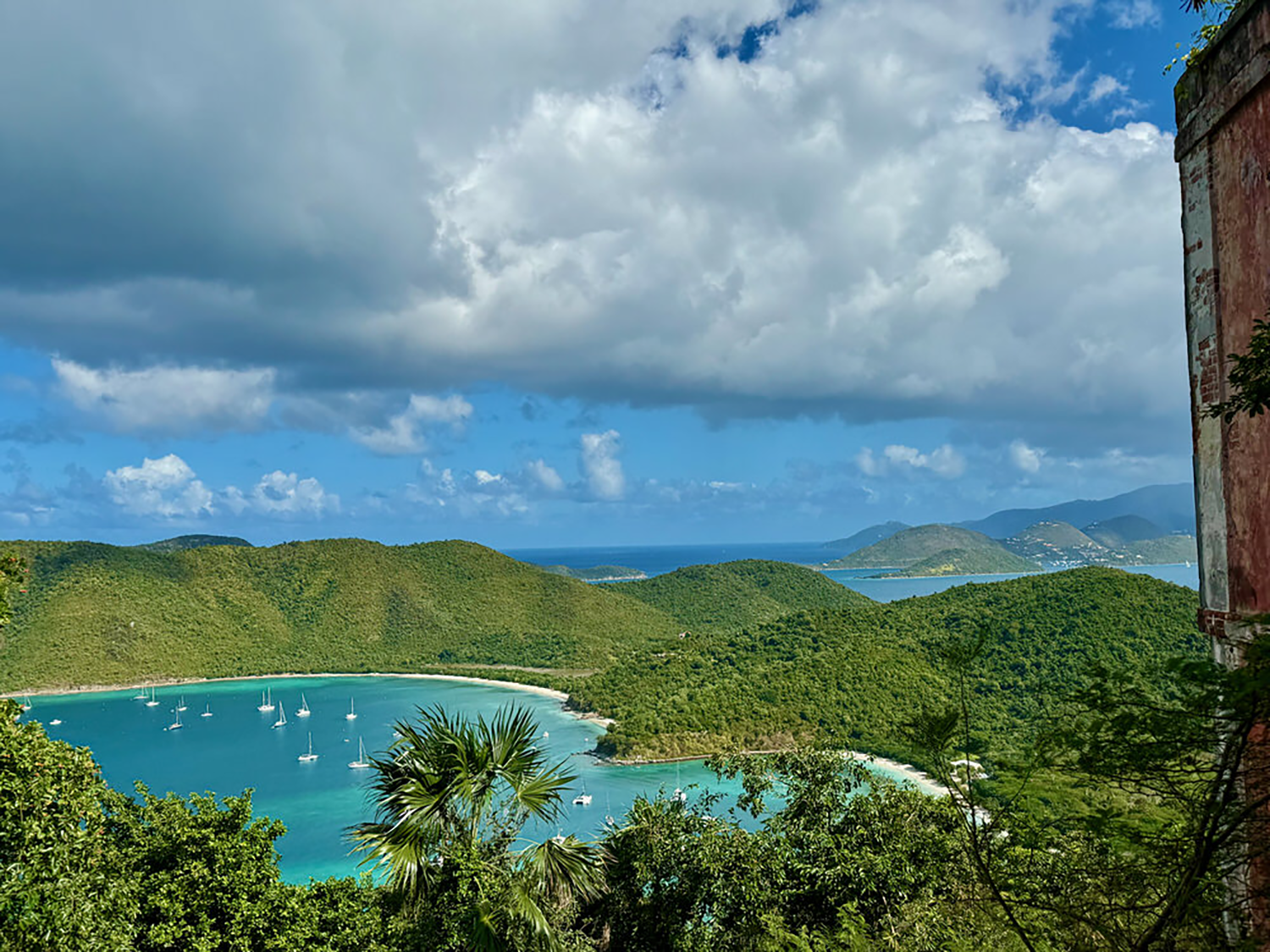
Chocolate Hole sits just south of Cruz Bay on St. John's quiet South Shore. Here's what the neighborhood offers, who it suits, and what daily life looks like.
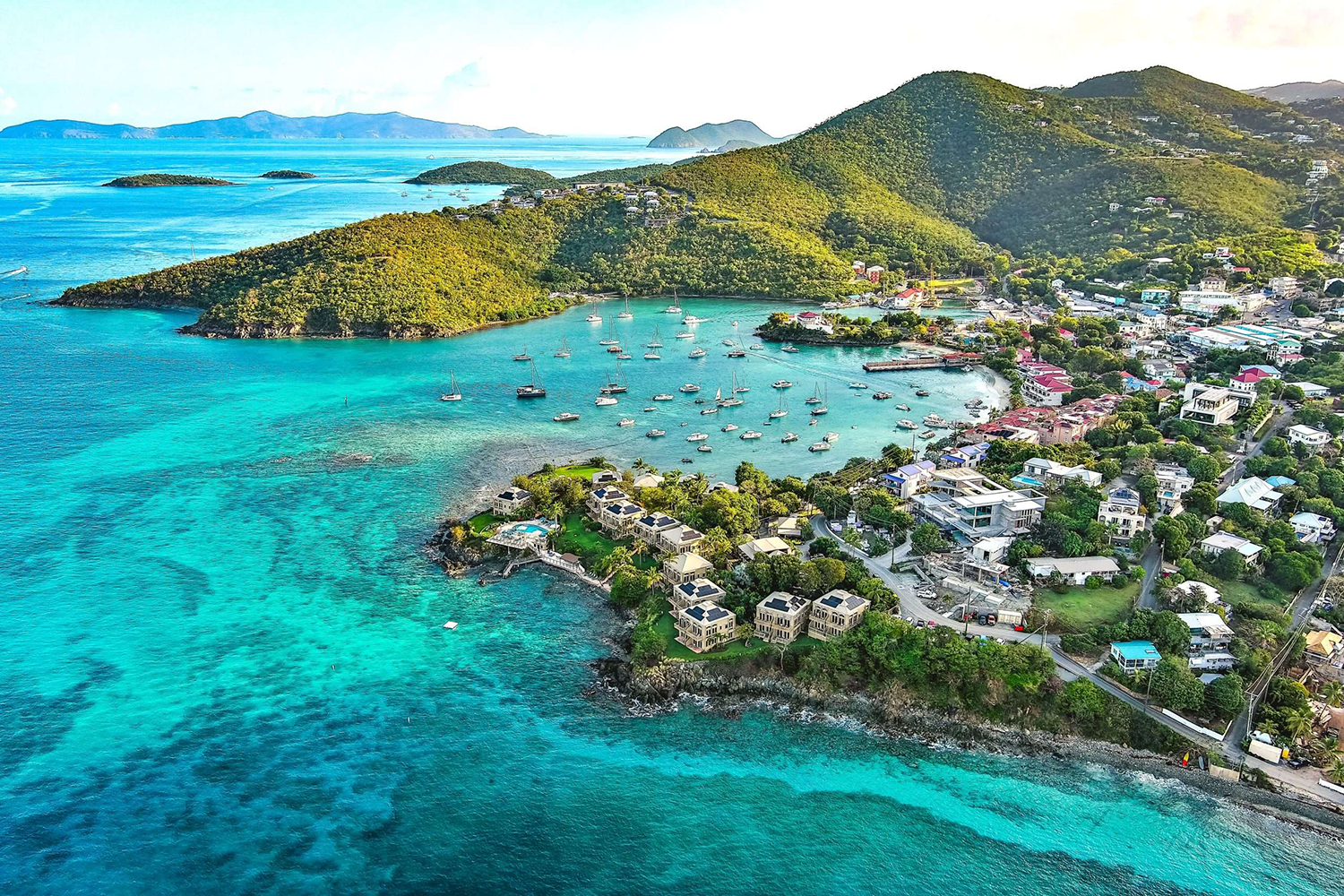
Great Cruz Bay on St. John sits just south of Cruz Bay, offering waterfront calm and quick access to town. Here’s what the area is like and who it suits.
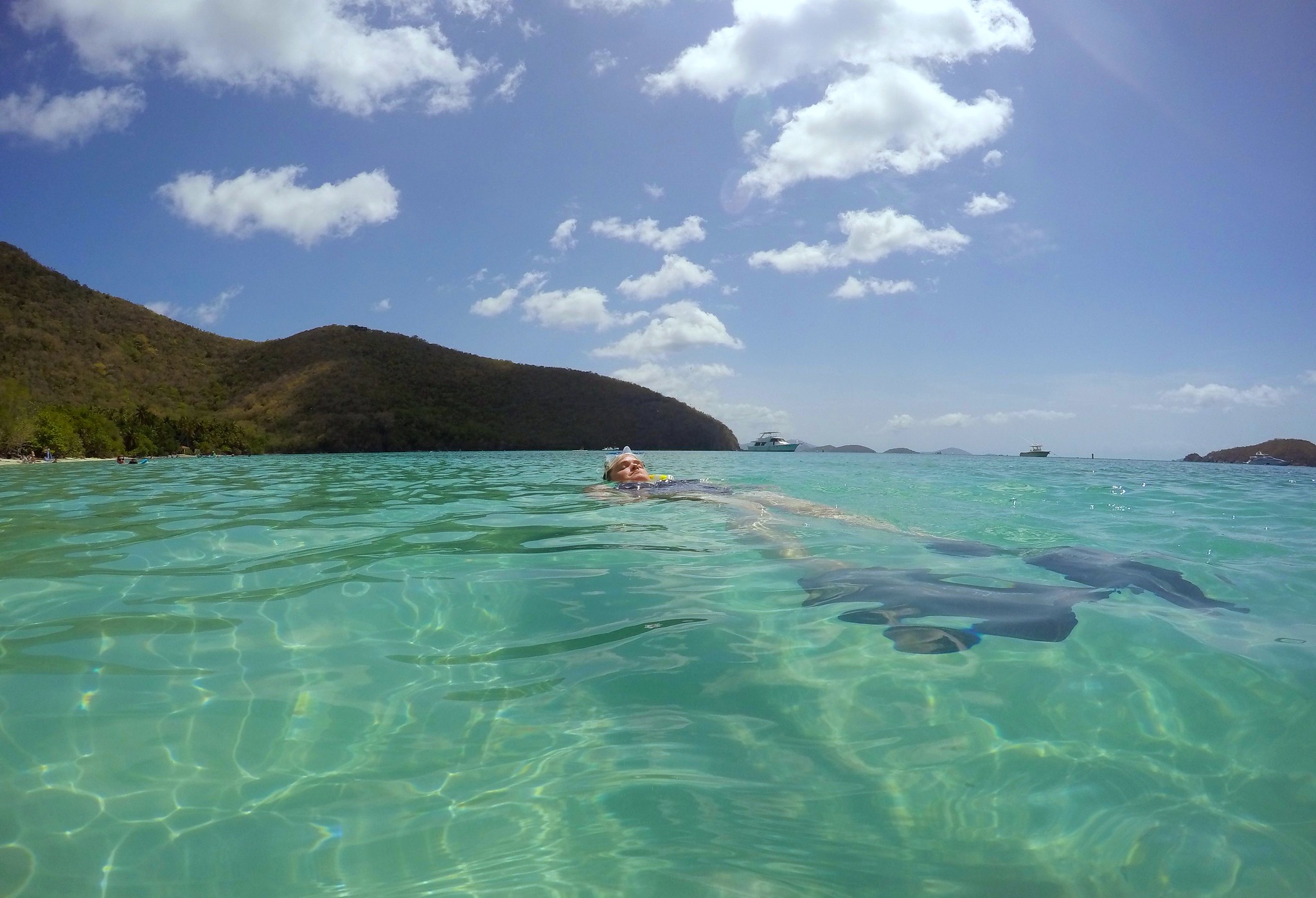
Looking for calmer water on St. John? This guide breaks down which beaches are easiest for swimming, what the tradeoffs are, and when to go.
Your first day in St. John is a travel day first. Here's what arrival looks like — ferries, rental pickup, groceries, and what to skip on day one.
Deciding where to stay in St. John matters more than most travelers expect. The island is small, roughly seven miles from end to end, but it contains distinct neighborhoods.
First time visiting St. John? Here's what actually catches visitors off guard — ferries, driving, national park rules, and what to know before you arrive.
Salt Pond, St. John pairs a south shore beach with Ram Head trail, a quarter-mile walk-in, and fewer services. Here's what matters before you make the drive.
St. John's beaches range from famous to secluded. A guide to what makes each distinct and how to choose based on what you want from a day on the water.
Cinnamon Bay Beach on St. John pairs a long north shore beach with campground access and plantation history. Here's what matters before you go.
Hawksnest Beach is the first north shore beach east of Cruz Bay and the quieter, easier-to-reach alternative to Trunk Bay. Here's what to know before you go.
Maho Bay Beach on St. John is a year-round sea turtle habitat. Green and hawksbill turtles feed in the seagrass shallows, often visible from the shoreline.
Honeymoon Beach is one of St. John's quietest stretches of sand, reachable on foot from Cruz Bay or by water. Here's how to get there and what to expect.
Trunk Bay on St. John draws visitors for its crescent shoreline, clear water, and one-of-a-kind underwater snorkeling trail. Here's what to know before you go.
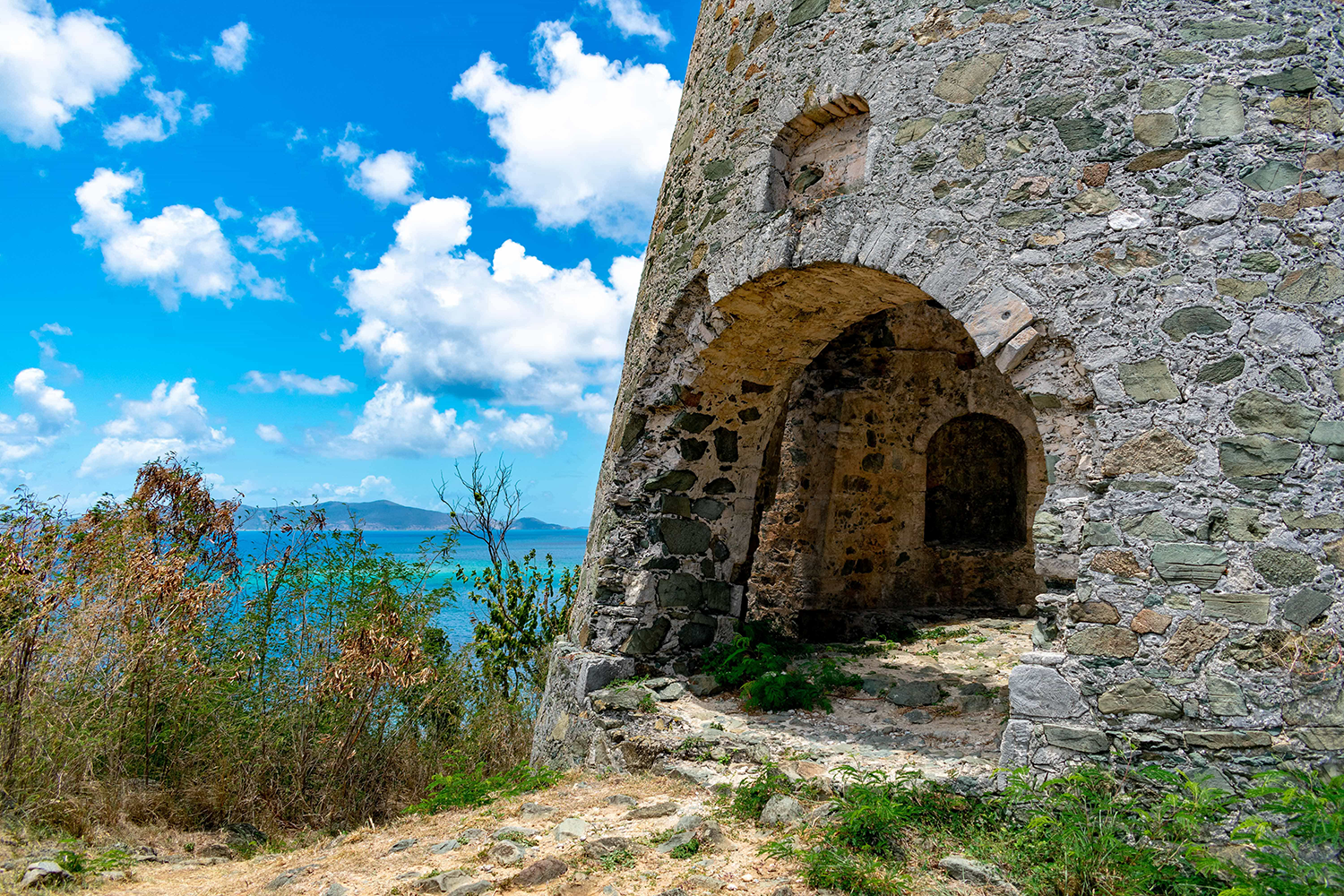
Beyond the beaches, St. John offers hiking trails, historic ruins, and a quieter rhythm. A guide to experiences that add depth to an island stay.
A practical St. John packing guide for villa guests: reef-safe sunscreen rules, what your villa already has, what to buy on island, and what to skip.
Hurricane season in the USVI runs June through November, peaking in August and September. What each month means for visitors to St. Thomas and St. John.
U.S. citizens don't need a passport to visit the U.S. Virgin Islands. REAL ID matters for flights, and BVI day trips require one. Here's what to know.
Most visitors to St. John rent a Jeep or SUV. Here's what to know about car rentals, taxi rates, driving on the left, and getting around without a vehicle.
best time to visit st john , best time to visit us virgin islands, best time to go to us virgin islands, best time to visit usvi, st john weather by month
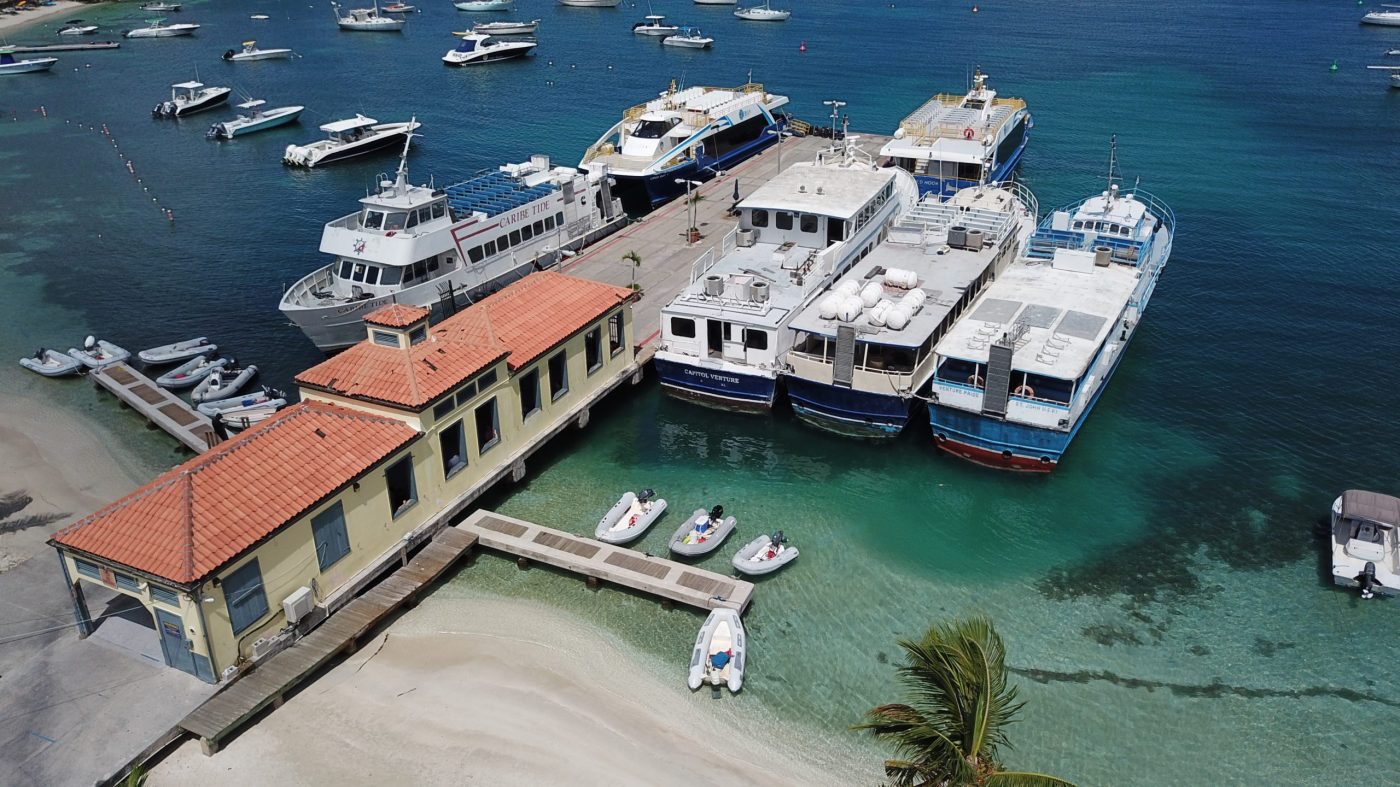
The Red Hook ferry runs hourly from St. Thomas to St. John in 20 minutes. Schedules, fares, car ferry costs, parking, and what to expect on the crossing.
St. John has no airport, so all visitors arrive by ferry from St. Thomas. Here's what to know about flights, ferries, and the journey to the island.
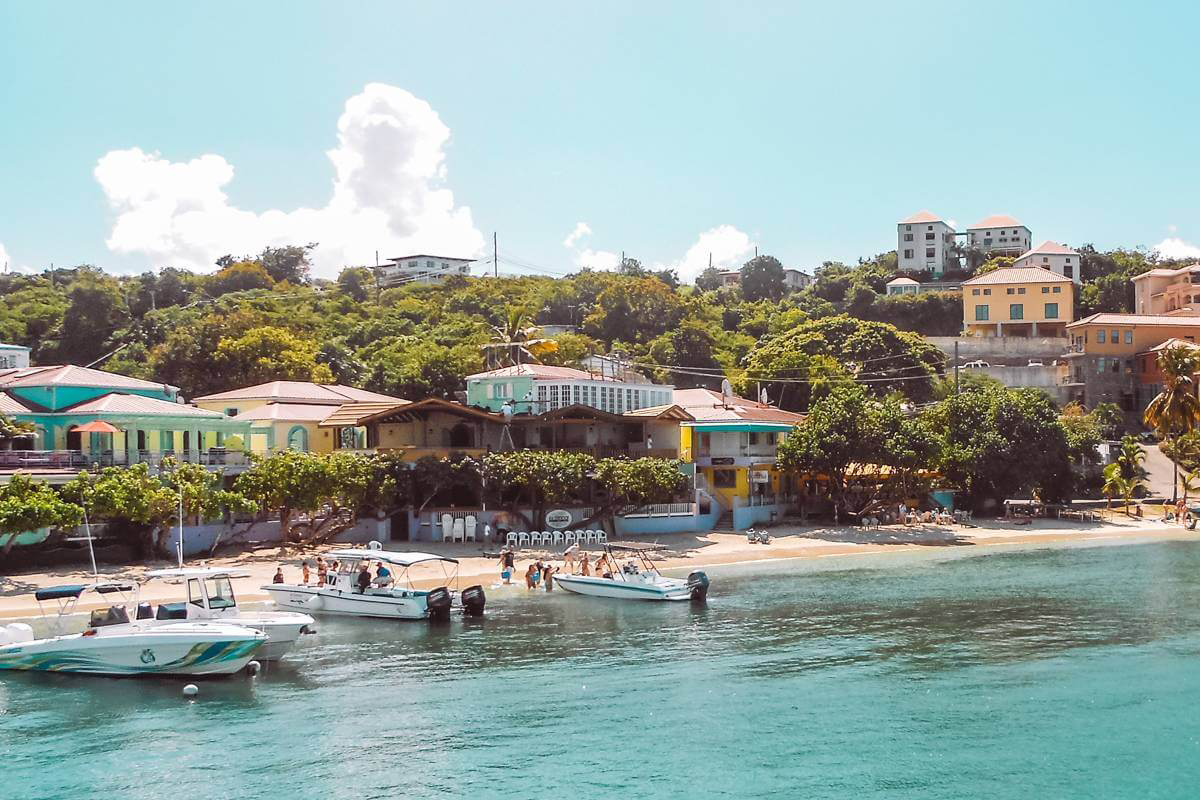
Cruz Bay serves as St. John's ferry landing, service hub, and social center. What to know about the island's only town and the neighborhoods nearby.
If you’re weighing whether St. John villa rentals are the right choice for your trip, you’re asking a question that shapes everything else about your experience.